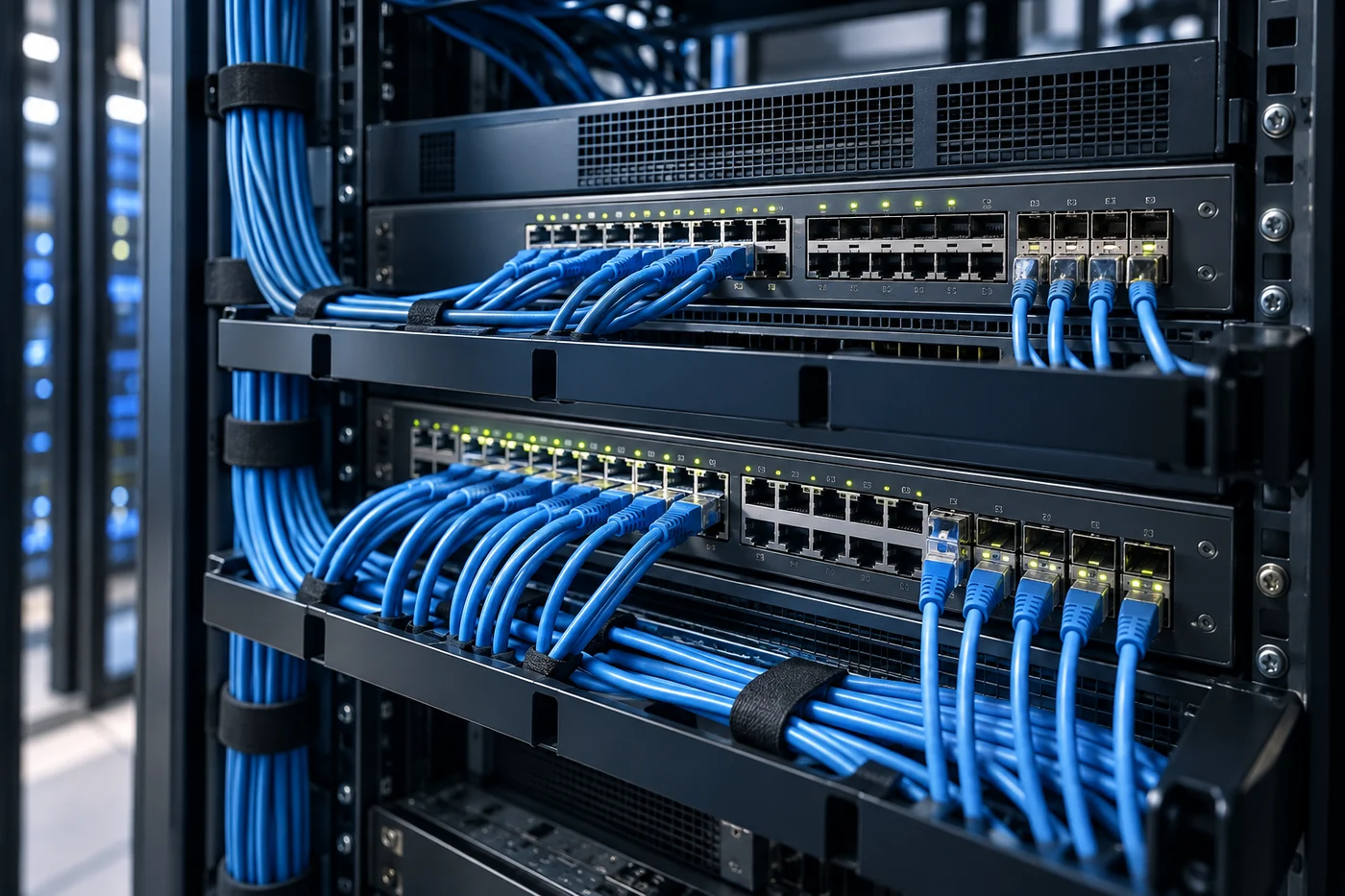

How it works.
Sensors, instruments and controllers generate readings about a physical process. An edge device can collect, filter, retain or analyse those readings near their source, with selected information passed to a central platform. NIST's fog-computing model describes distributed processing between connected devices and cloud services as a way to address the scale, variety and delay associated with moving all processing to a remote location. The appropriate arrangement depends on the use case. Some information supports an immediate local response; other information is valuable when compared across assets and time.
The signal also needs meaning. A temperature reading is more useful when its equipment identity, units, timestamp and quality are understood. OPC UA provides communication and information-modelling mechanisms that can support this interoperability across systems. Adopting a protocol is only part of the task: the project still needs agreement on naming, context and interpretation. Monitoring should also be distinguished from control. A dashboard that observes a process and a system that changes that process have different operational consequences, so their permissions, testing and ownership need explicit treatment.
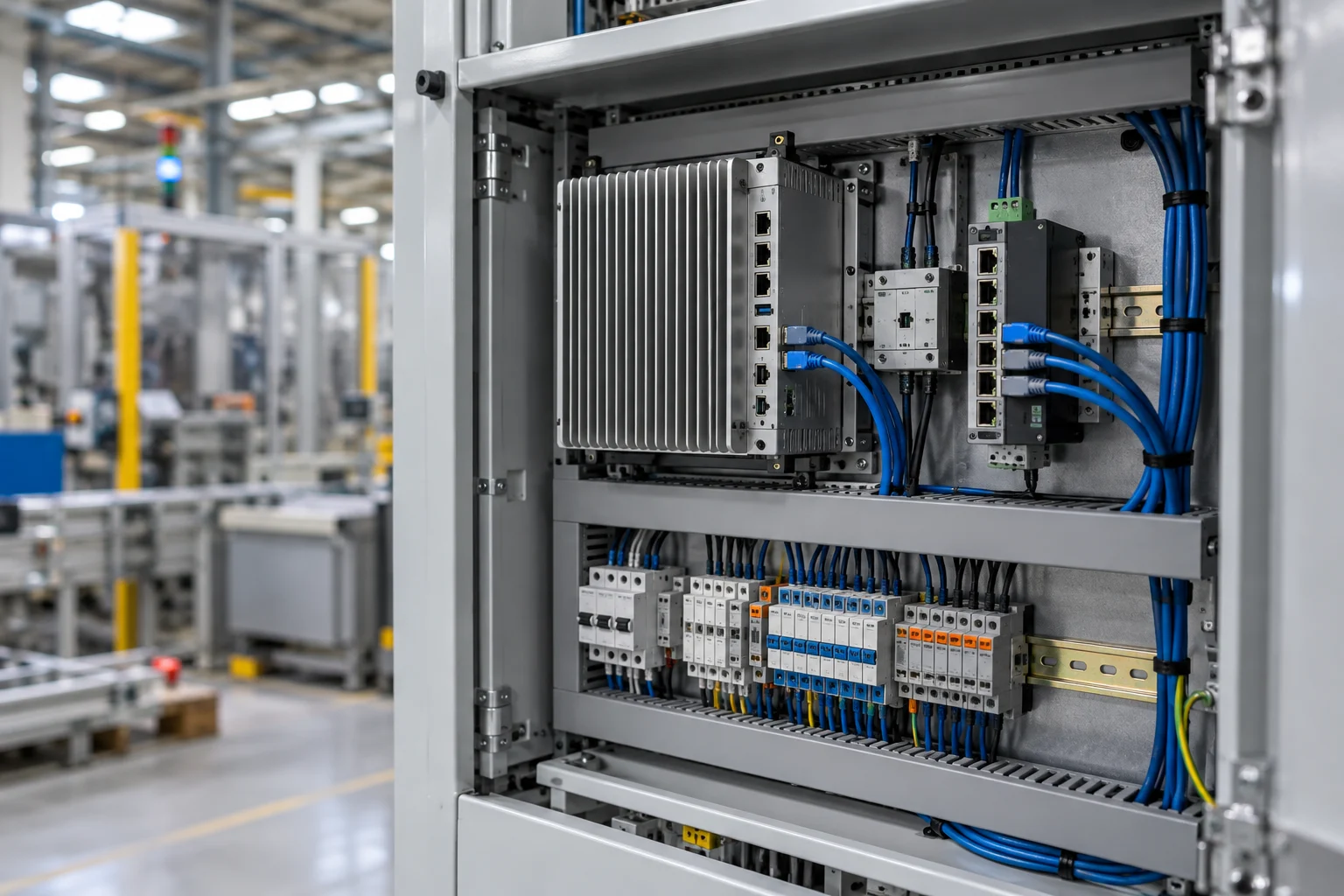
Where it creates a useful connection.
A credible starting point is an operational question such as understanding recurring stoppages, comparing asset behaviour or improving the evidence available to maintenance teams. The data design then follows that question. A pilot should show how information reaches a responsible person and changes a real workflow. A visually polished dashboard provides limited evidence if nobody owns the response or if the relevant reading is inconsistent. The test should include ordinary conditions, missing data and the practical work of maintaining the system.
Scale introduces an operating burden beyond the first installation. Devices need an inventory, suitable access, updates, replacement arrangements and support when communications fail. Different sites may use equipment from different generations with different interfaces and maintenance windows. NIST's operational-technology guidance emphasises that security must account for performance, reliability and safety requirements. Commercial review should therefore make room for site-specific integration and operational approval. It should also establish data ownership and portability so that the organisation can retain useful history and move between suppliers without losing essential process context.
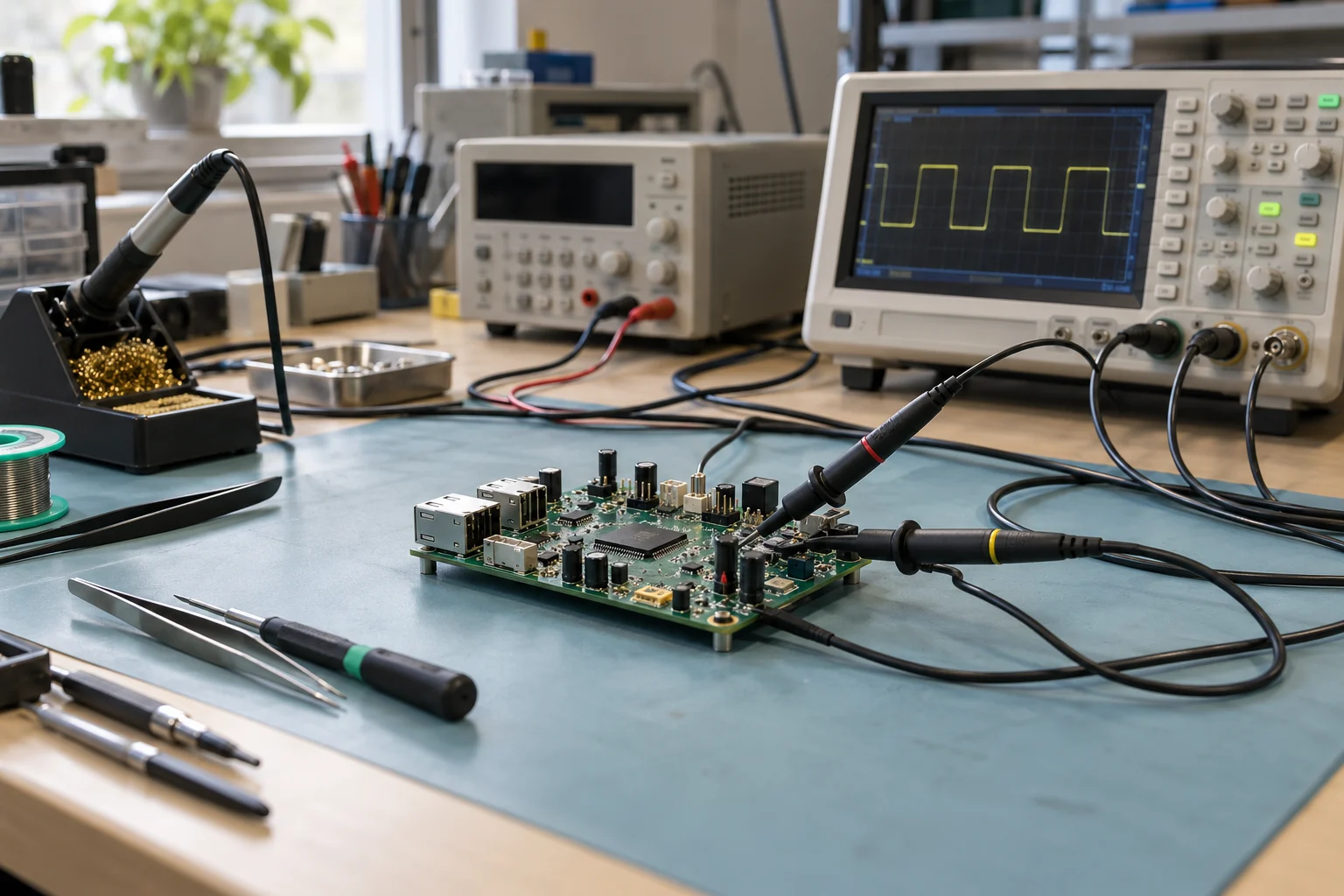
An industrial data project succeeds when trustworthy observations support an owned operational decision. Connectivity, context and maintainability deserve as much attention as the analytics interface.