Kinetic Business Group
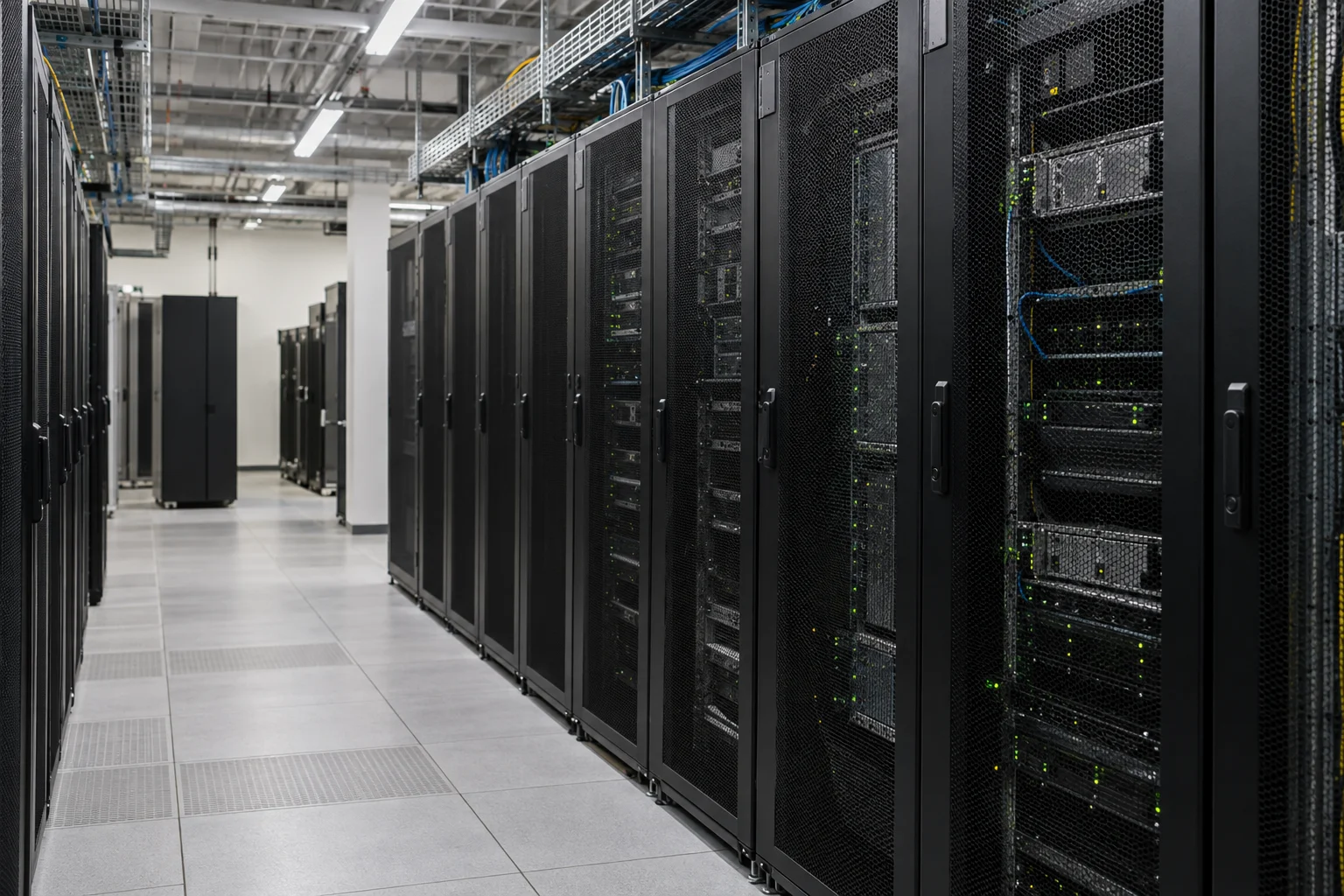
An orderly cloud computing server aisle.
Kinetic / Technology

Connecting innovation with commercial scale.

Bringing technology, infrastructure and prospective customers into the same conversation.

Explore the landscape
One sector. Many connections.

Understand the system.
Find the commercial fit.

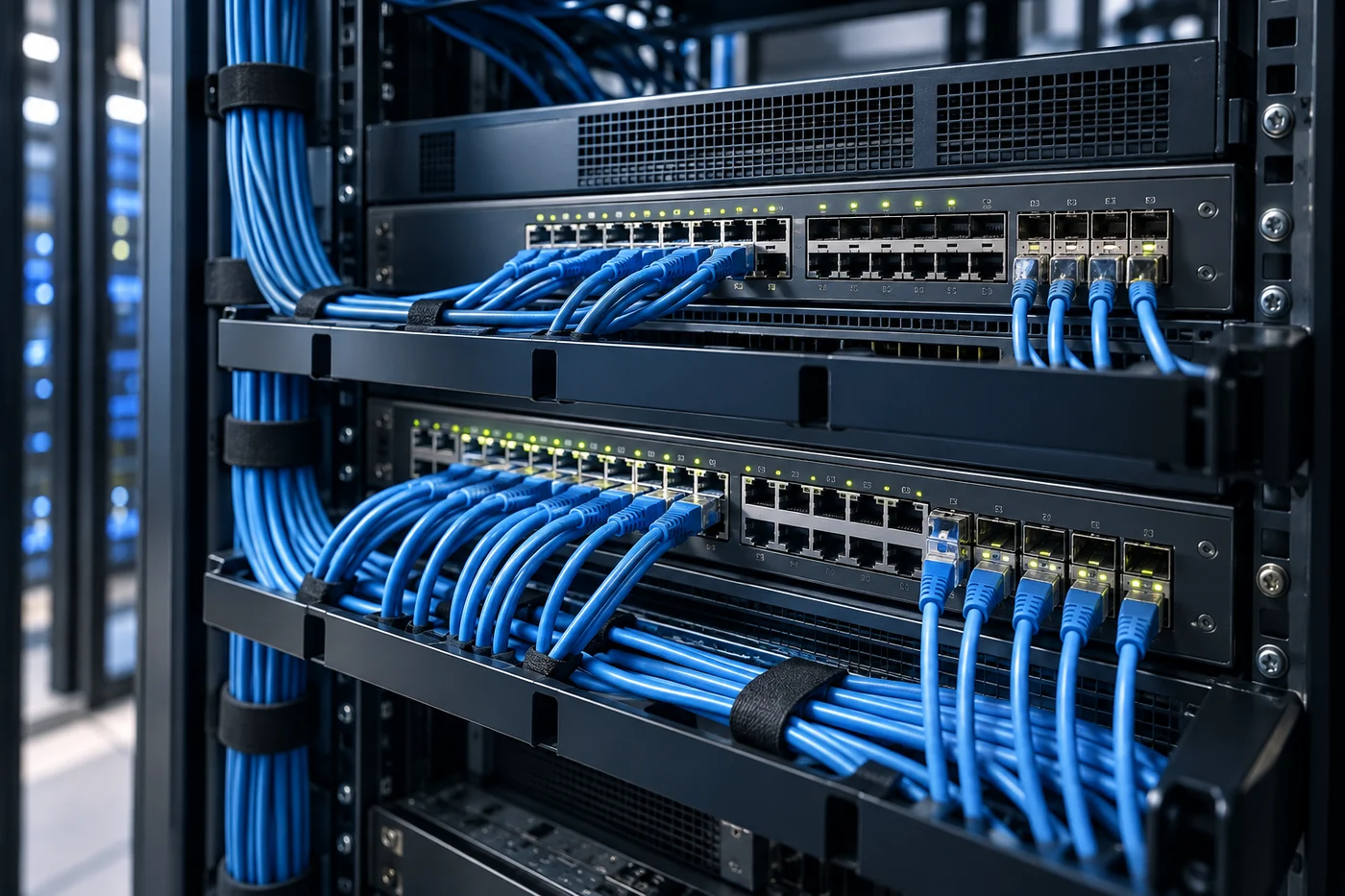
Close detailed view of professional enterprise network switches in a server rack with neatly organized blue fiber and ethernet patch cables, restrained indicator lights and realistic rack hardware

A capable technology needs a commercial path. Kinetic’s Technology practice focuses on the connections between innovators, infrastructure providers and the organizations that can put their capabilities to work.

Areas of interest span high-performance compute, colocation, edge data, selected defence technologies and fintech. Each opportunity requires its own technical, commercial and compliance review before a partnership can be represented or pursued.

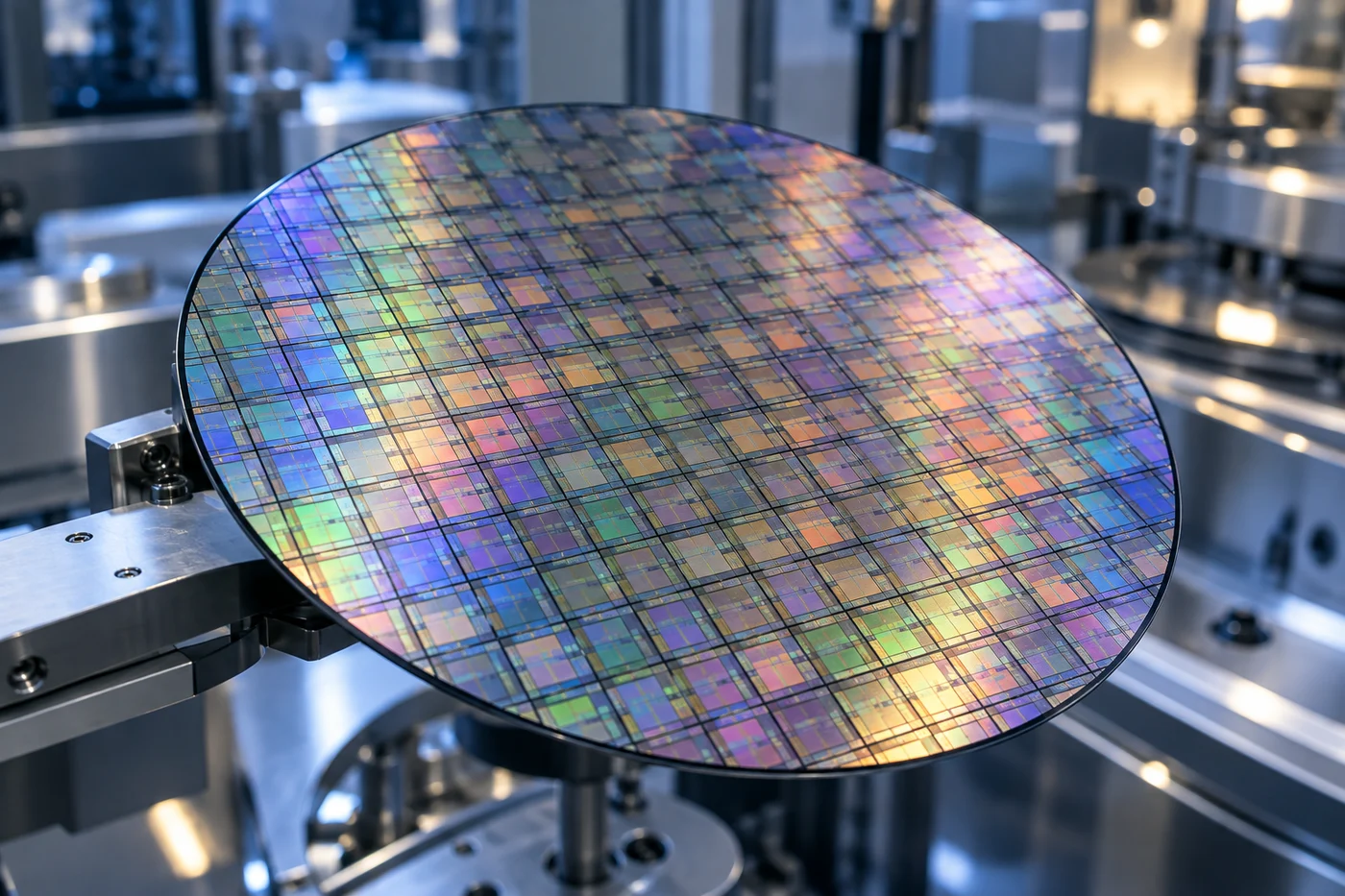
Detailed macro of a circular silicon semiconductor wafer with repeating iridescent microchip dies, held in a clean fabrication setting with no visible people, crisp accurate fine material detail
02 / 01
Technology in focus

Begin with the work

Technology review begins with a useful question: what work must this system perform, for whom and under what conditions? AI compute, industrial data and secure applications have different operating demands, but each needs an explicit connection between infrastructure and an intended outcome. A representative workload makes that connection testable. It helps separate the equipment being purchased from the service expected in practice, and gives commercial teams a clearer basis for discussing dependencies, responsibility and readiness. The guide below develops this perspective without assuming that a particular deployment or supplier is suitable.

Read more: AI compute: from hardware to useful work
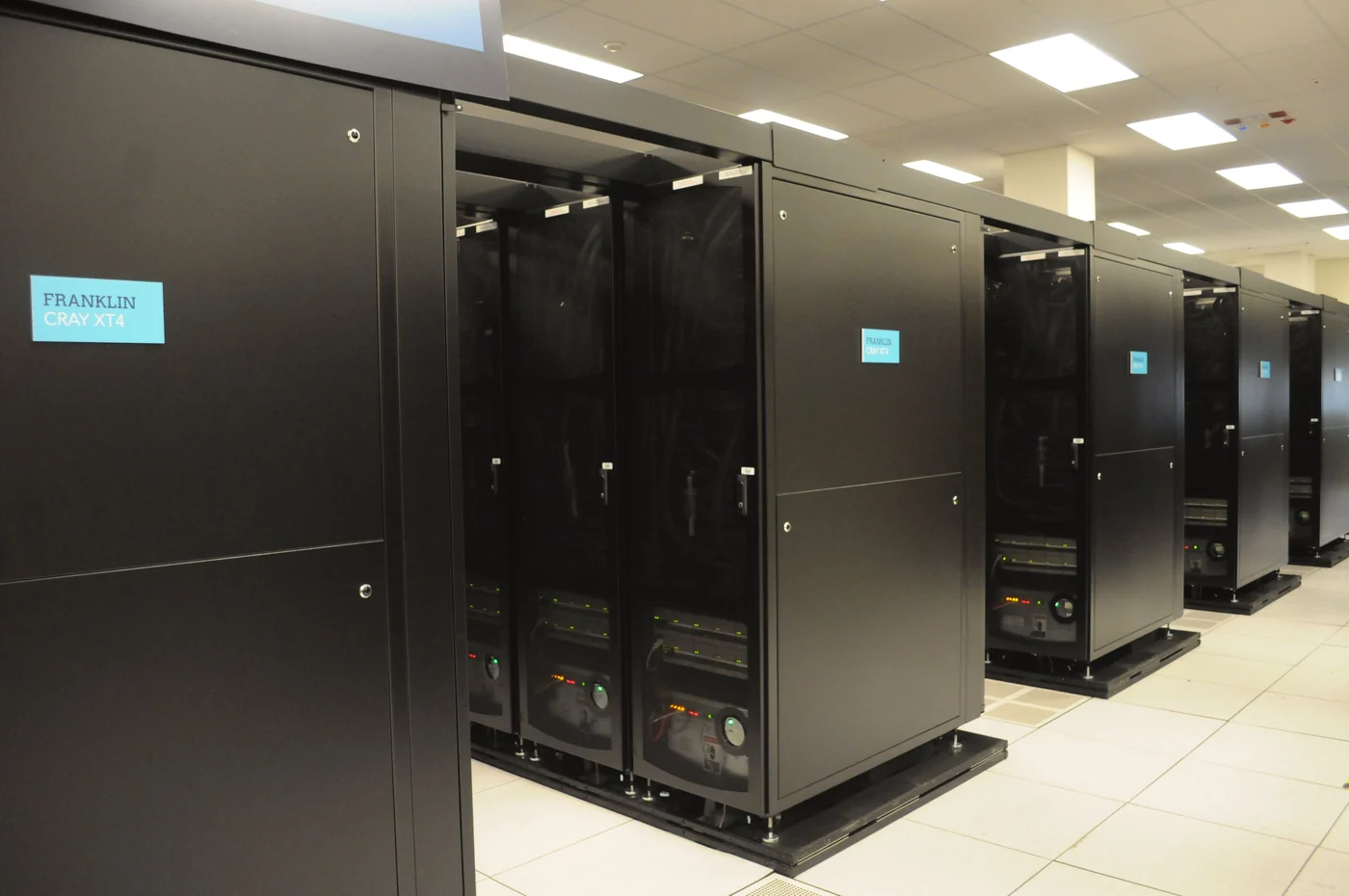
Rows of server racks in a data centre
02 / 02
Technology in focus

Follow the physical dependencies

Digital services depend on physical systems that are easy to overlook in a software-led conversation. Power, cooling, network connections and maintenance access shape what equipment can do in a particular facility. Colocation adds a contractual boundary around some of these responsibilities while leaving others with the customer. A practical review traces that boundary before comparing offers. It asks which capacity is usable, what the operating conditions allow and how incidents are handled. The result is a more precise discussion of service readiness than a comparison based only on space or equipment specifications.

Read more: Data centres and colocation: the operating boundary
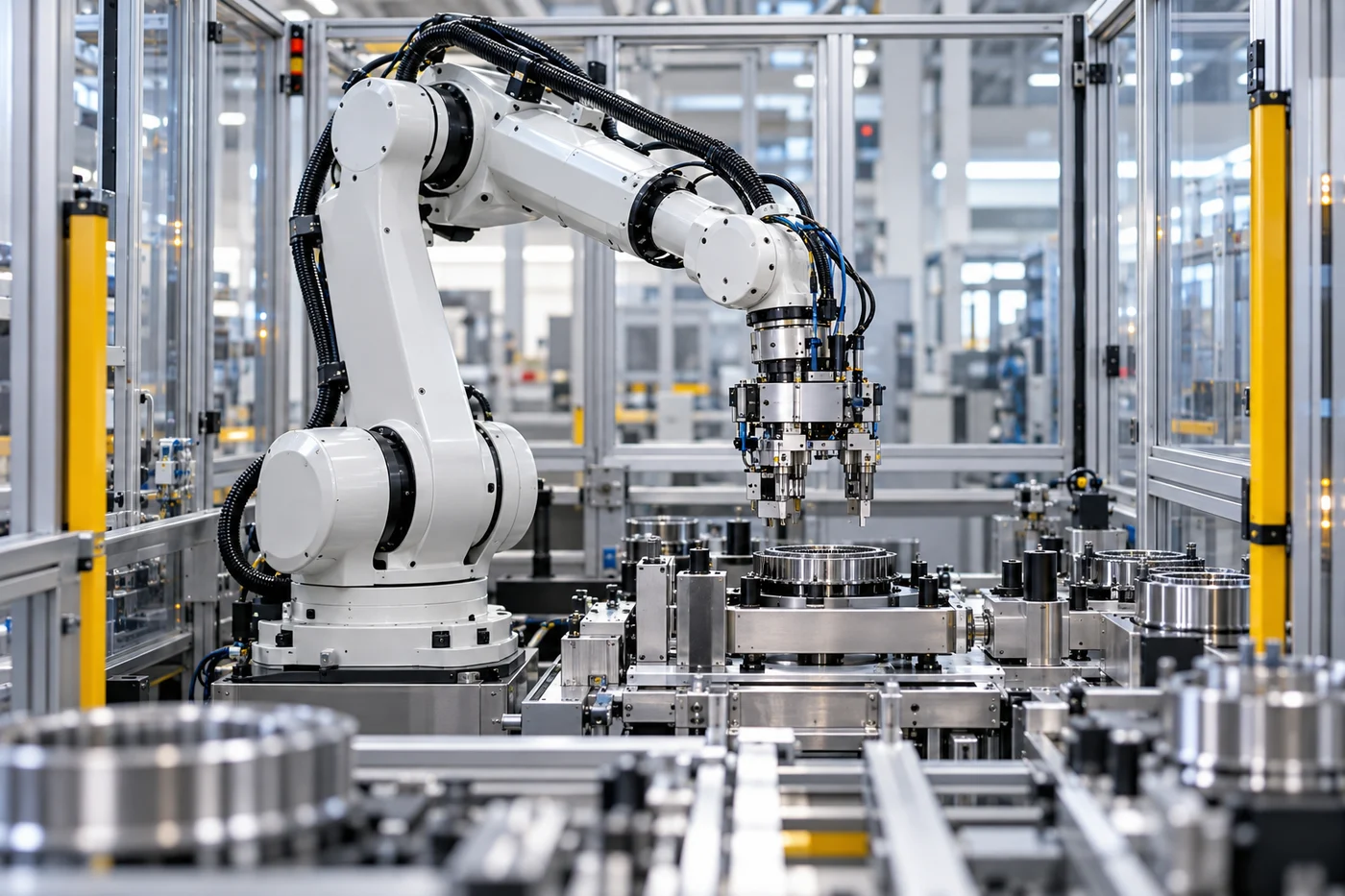
Industrial robotic arm working inside a modern automated manufacturing cell with safe enclosure, precision components and orderly machinery, realistic daylight-balanced factory interior
02 / 03
Technology in focus

Connect information to action

Industrial data becomes useful when people can interpret it and act on it. A sensor reading needs context, and an alert needs a clear owner and response. Processing information near equipment can support local requirements, while central systems can help compare patterns across assets. The right balance follows the operational question. Attention to signal quality, shared definitions, connectivity loss and device maintenance helps expose the work behind an attractive interface. This is a way to assess whether a pilot can become a supported operating service rather than remain an isolated demonstration.

Read more: Industrial edge data: making the signal usable
Payment card inserted in a point-of-sale card terminal
02 / 04
Technology in focus

Behind the payment interface

A payment terminal makes a complex workflow look simple. Behind the customer interaction are service connections, changing transaction states, operational records and people responsible for exceptions. Fintech review follows that full journey. It asks how information is protected, how records are reconciled and how customers and staff learn what happened when a dependency is slow or unavailable. The commercial question is whether the complete workflow is understandable and supportable in its intended setting. This perspective applies to technology assessment without assuming that a software supplier itself conducts a regulated financial activity.

Read more: Fintech systems: the workflow behind the transaction
Large modern jet engine turbofan displayed inside a clean aerospace engineering hangar, intricate radial fan blades and metallic nacelle detail, natural professional lighting
02 / 05
Technology in focus

Engineering evidence and intended use

Complex equipment makes the distinction between a promising component and a supported operating system tangible. In defence-related and dual-use technology, commercial review starts with the intended user and the specific need, then asks what has actually been demonstrated. Production, integration, maintenance and information handling all shape the path from development to adoption. Procurement evidence and specialist review belong alongside technical maturity. The aim is a clear account of readiness and remaining conditions, without implying that an image, demonstration or programme connection establishes operational suitability, government endorsement or permission for a transaction.

Read more: Defence and dual-use technology: readiness beyond the demonstration
The system, at a glance

Compute is more than the chip.

  1. 01Power & coolingFacility foundation
  2. 02Compute & networksAvailable performance
  3. 03Data & controlsTrusted operations
  4. 04Useful workloadsCustomer requirements

A conceptual operating model. Project design and commercial terms depend on the application.

Go one level deeper

The technologies.
The questions that matter.

How each system works, where it fits commercially and what to establish before the next conversation.

Detailed macro of a circular silicon semiconductor wafer with repeating iridescent microchip dies, held in a clean fabrication setting with no visible people, crisp accurate fine material detail
Technology

AI compute: from hardware to useful work

AI compute combines processors, memory, networks, storage and operating software. Its commercial relevance depends on the work a complete system can reliably deliver, the facility that supports it and the demand that can use it.

Explore the technology
Rows of server racks in a data centre
Technology

Data centres and colocation: the operating boundary

Colocation brings customer computing equipment into a third-party facility. The central commercial questions concern usable capacity, connectivity, operating responsibilities and the evidence supporting continuity, rather than floor space alone.

Explore the technology
Industrial robotic arm working inside a modern automated manufacturing cell with safe enclosure, precision components and orderly machinery, realistic daylight-balanced factory interior
Technology

Industrial edge data: making the signal usable

Industrial edge systems process information close to equipment and operations. Their value depends on reliable signals, shared meaning and a clear connection between an observation and the decision it is intended to support.

Explore the technology
Close detailed view of professional enterprise network switches in a server rack with neatly organized blue fiber and ethernet patch cables, restrained indicator lights and realistic rack hardware
Technology

Secure digital systems: evidence behind trust

Secure digital systems combine software, identity, data handling and operational controls. Their shared foundations support many applications, from industrial services to fintech, but each deployment needs evidence matched to its own information, dependencies and consequences.

Explore the technology
Payment card inserted in a point-of-sale card terminal
Technology

Fintech systems: the workflow behind the transaction

Fintech systems connect customer interactions, financial records and service providers. A useful commercial review follows the complete workflow, including exceptions, reconciliation, access controls and the responsibilities that remain with each participating organisation.

Explore the technology
Large modern jet engine turbofan displayed inside a clean aerospace engineering hangar, intricate radial fan blades and metallic nacelle detail, natural professional lighting
Technology

Defence and dual-use technology: readiness beyond the demonstration

Dual-use technology has civilian and defence or security applications. Commercial review should connect a defined customer need with evidence of maturity, a credible delivery model and an appropriate procurement and specialist-review path.

Explore the technology
From understanding to action

A clearer brief.
A better conversation.

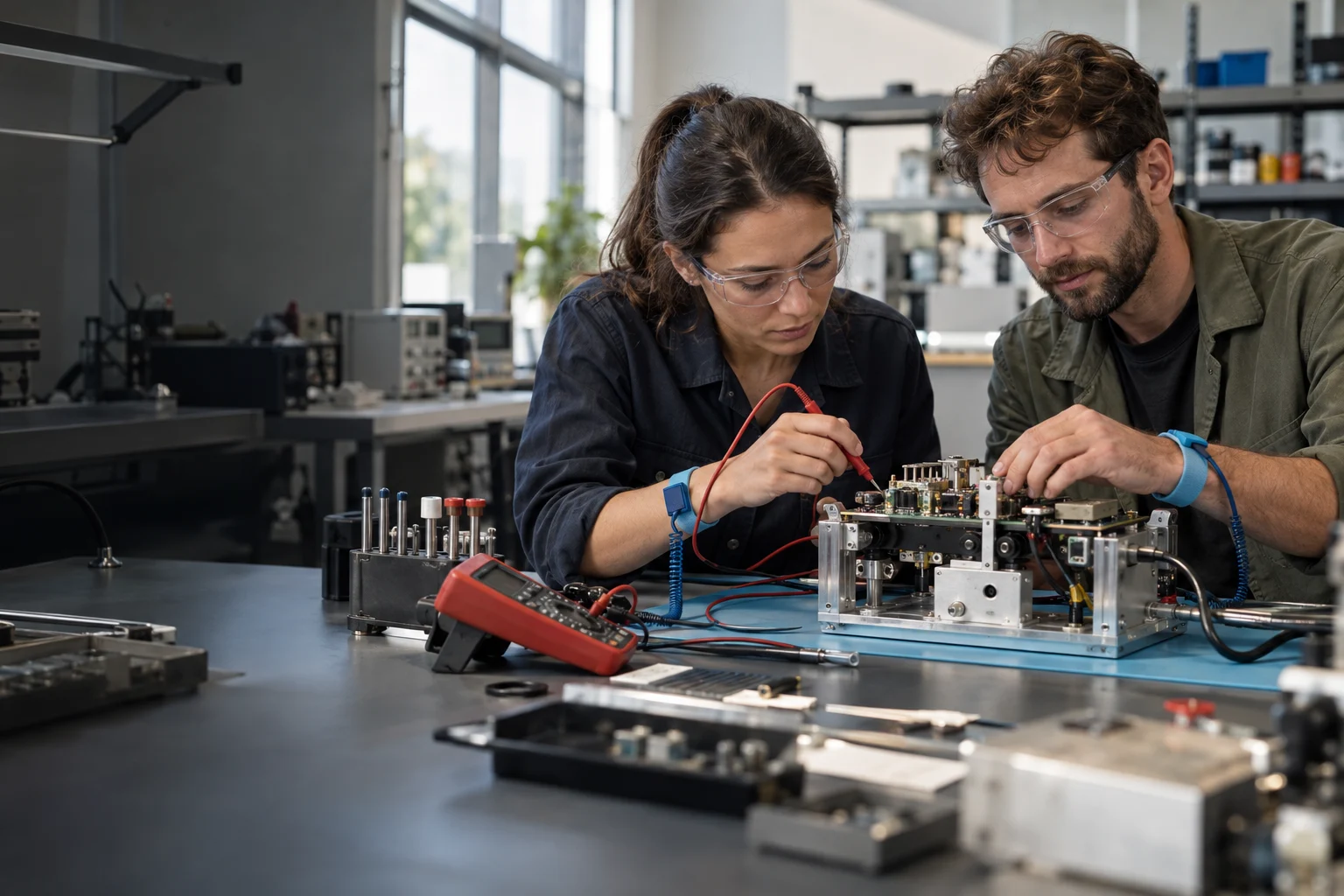
Engineers testing an electronic hardware prototype at a clean workbench

Start with the application, the current stage and the evidence already available. Then identify the technical and commercial questions that must be answered before counterparties can assess the fit.