

Kinetic Business Group
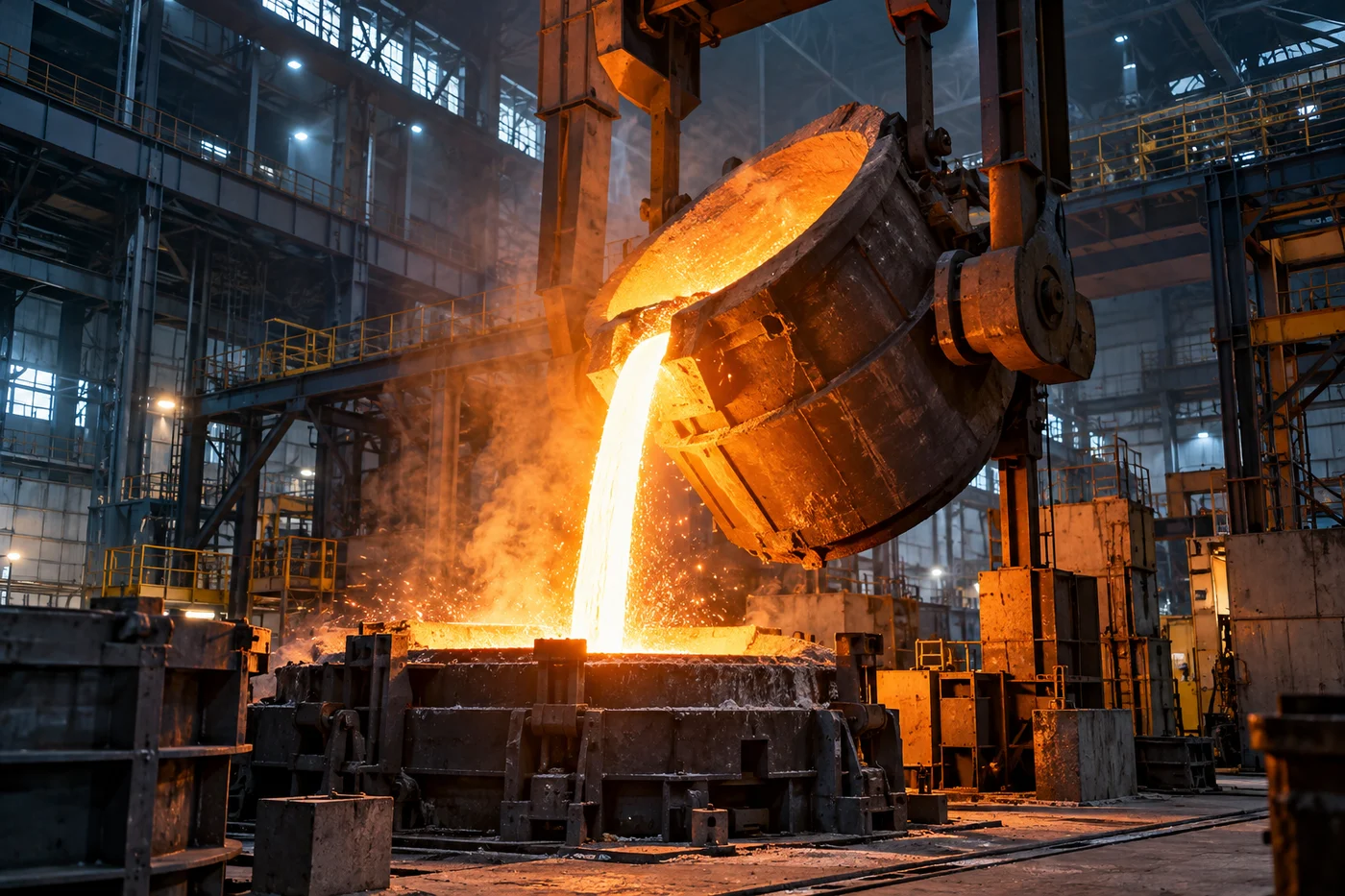
Steel foundry interior with a glowing stream of molten metal being poured from an industrial ladle, dramatic warm light balanced against cool steel structure, credible controlled process, no people close to molten metal
Kinetic / Commodities

Connecting global supply and demand.

A disciplined approach to connecting producers, industrial users and qualified buyers.

Explore the landscape
One sector. Many connections.

Understand the system.
Find the commercial fit.

Modern container ship moored in a commercial cargo port, orderly stacks of unbranded shipping containers and dockside cranes

Industrial supply relationships depend on more than finding a name. Product specifications, availability, logistics, counterparty readiness and intended use all shape a credible commercial discussion.

Kinetic’s Commodities practice centers on industrial materials, specialty chemicals and supply or offtake opportunities. Project-stage opportunities are distinguished from operating supply, with export, controlled-goods and end-use review wherever applicable.

Bright yellow granular elemental sulphur stored in large neat piles at a clean bulk-materials terminal, conveyor infrastructure and industrial port context, crisp realistic textures
03 / 01
Commodities in focus

Match sulphur to the receiving process

Sulphur supply starts with a precise description of the material and the industrial process it will serve. Physical form, product specification and the buyer's acceptance criteria shape both qualification and delivery. The receiving plant's equipment and operating schedule matter alongside the source and available quantity. A useful enquiry therefore connects the technical requirement with a practical shipment pathway. Representative analysis, current safety documentation and verified seller authority create a shared basis for discussion and help identify whether the next step is a product review, logistics assessment or direct producer conversation.

Read more: Sulphur supply


Large specialty chemical manufacturing complex with orderly stainless steel vessels, heat exchangers and pipe racks in daylight, technically plausible industrial structures
03 / 02
Commodities in focus

Qualify performance and consistency

Specialty materials create value through their role in a finished product or industrial process. Suitability depends on application performance, repeatability and the receiving facility's requirements. A sample programme should have a defined purpose, acceptance criteria and a decision owner, followed by evidence that commercial batches can reproduce the relevant result. The discussion should also cover change notification and quality records. This keeps a promising trial in perspective while creating a practical route toward a qualified supply relationship with clear responsibilities on both sides.

Read more: Specialty chemicals
Macro still life of crystalline metallic copper pieces and a refined copper cathode plate, rich warm reddish metal textures on a dark neutral background
03 / 03
Commodities in focus

Look beyond the resource

A critical-mineral opportunity may sit at the mine, processing plant, refining stage or recycling operation. Each produces a different proposition for a prospective partner. A manufacturer generally needs a material with proven characteristics and a workable delivery schedule, while an early development project may need technical collaboration and future qualification. Understanding the stage of the value chain helps identify the right conversation. It also makes clear why geological potential, forecast production and available inventory should be described separately, with appropriate evidence for every claim.

Read more: Critical minerals
Modern container ship moored in a commercial cargo port, orderly stacks of unbranded shipping containers and dockside cranes
03 / 04
Commodities in focus

Build the delivery pathway

An attractive material offer needs a practical route to the customer. Transport mode, terminal access, packaging or bulk handling, inspection and receiving capacity can all shape the commercial discussion. The documentation must describe the same product that will move through the physical chain. A useful logistics review maps each handoff, confirms the relevant provider's acceptance and identifies responsibility for delays or nonconforming cargo. This turns a broad supply enquiry into an operational conversation with known conditions rather than assumptions about what a carrier or terminal can accommodate.

Read more: Industrial logistics
Large bulk-carrier ship at sea near a working industrial port, long blue-grey hull and hatch covers visible, detailed natural marine setting
03 / 05
Commodities in focus

Maintain traceability through delivery

A bulk shipment passes through several organizations before it reaches an industrial user. Credible supply discussions establish who controls the material, which records identify it and how its condition and quantity will be checked at the agreed handoffs. Source verification and seller authority matter before dispatch; inspection, shipment documentation and receiving arrangements matter throughout the journey. For mineral products, responsible sourcing questions can extend further upstream. Keeping these records connected helps the buyer understand what is being offered and prevents a preliminary introduction from becoming an unsupported claim about available stock.

Read more: Industrial logistics
The system, at a glance

A specification becomes a supply chain.

  1. 01Verified sourceOrigin and authority
  2. 02Product specificationQuality and testing
  3. 03Movement & custodyRoute and documentation
  4. 04Accepted deliveryReceipt and reconciliation

A conceptual operating model. Project design and commercial terms depend on the application.

From understanding to action

A clearer brief.
A better conversation.

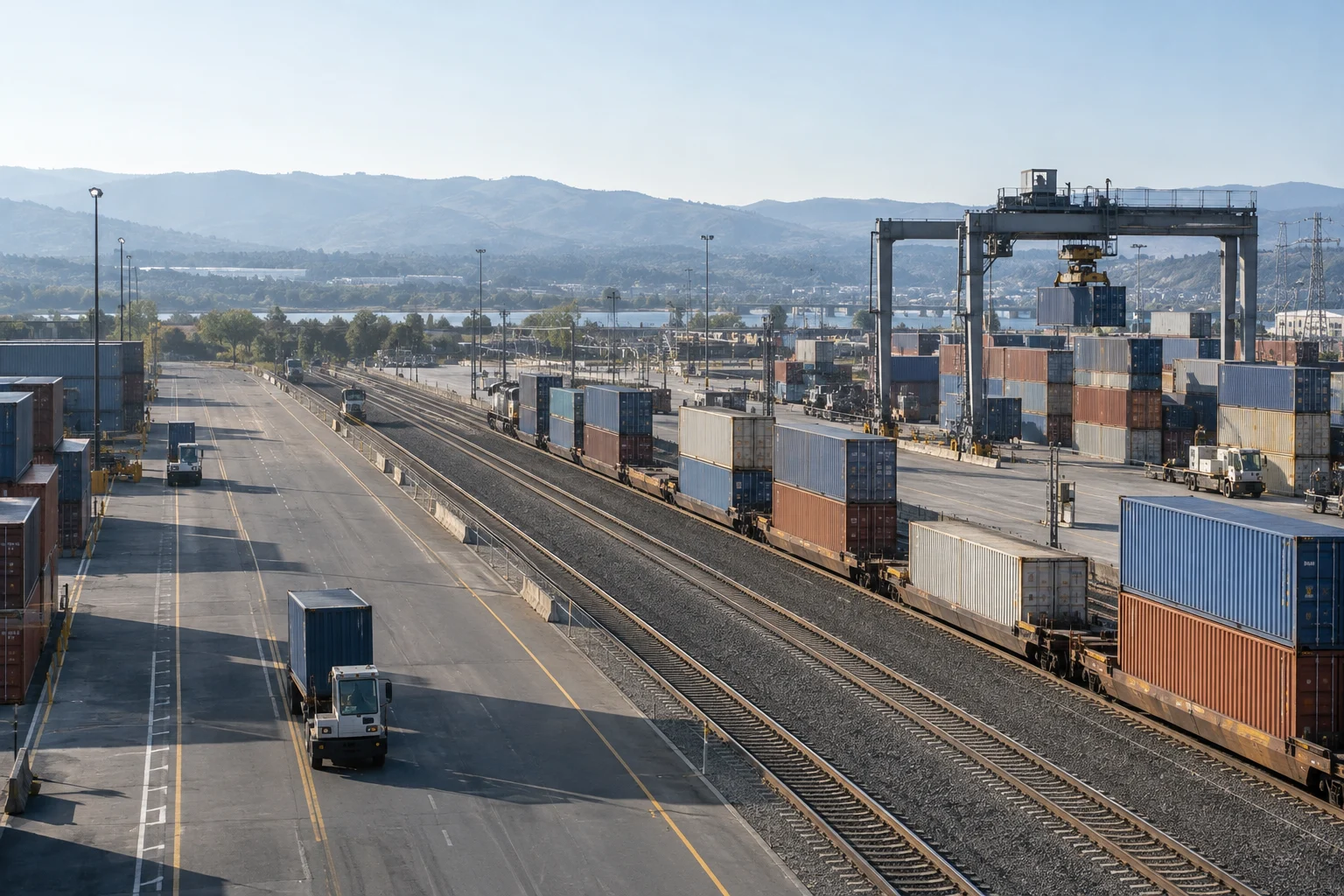
Freight train and cargo-handling equipment at an inland intermodal terminal

Start with the application, the current stage and the evidence already available. Then identify the technical and commercial questions that must be answered before counterparties can assess the fit.