Kinetic Business Group
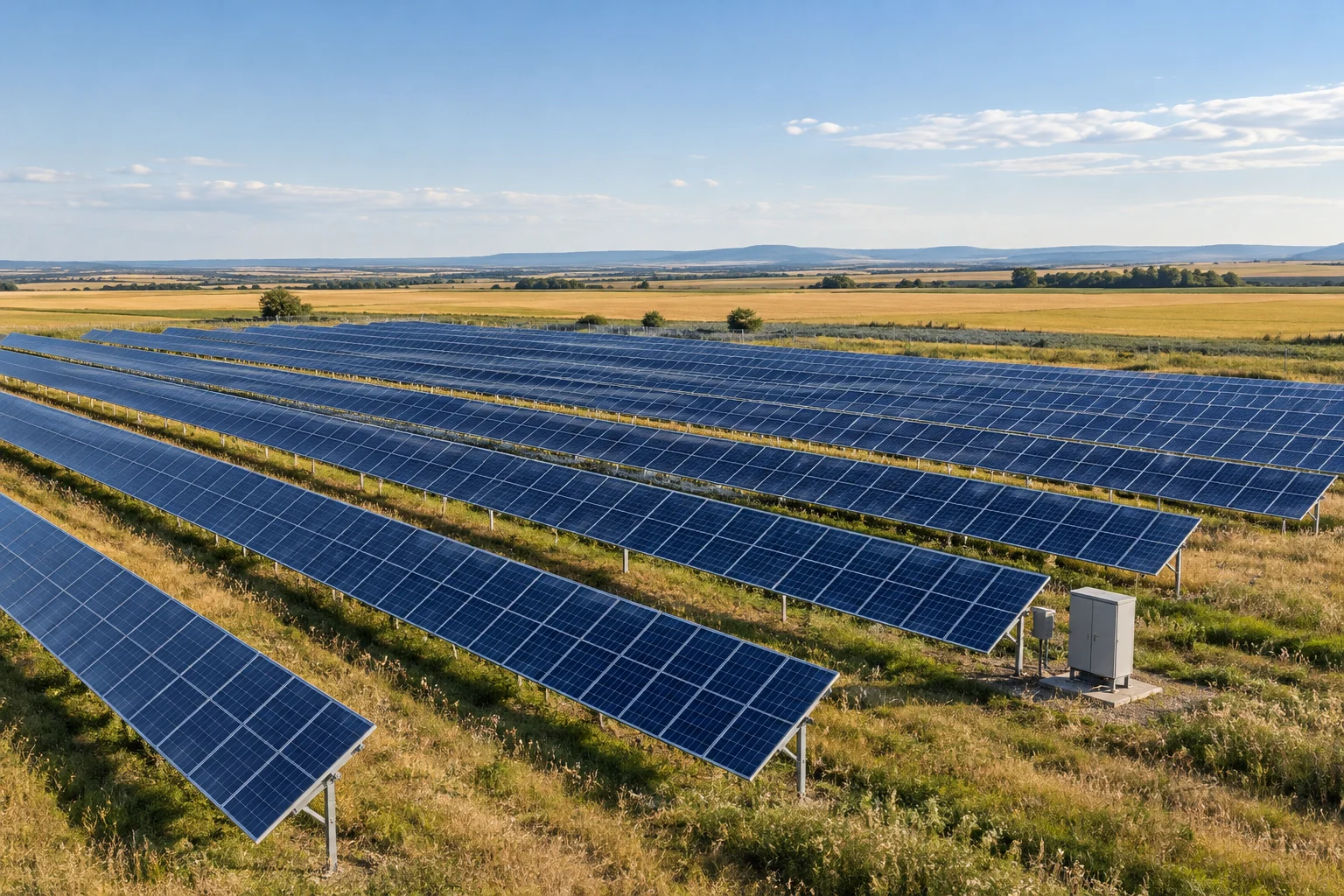
A solar array on flat western Canadian prairie farmland with low foothills in the distance.
Kinetic / Energy

Powering commercial opportunity.

Connecting the projects, power users and commercial partners behind tomorrow’s energy infrastructure.

Explore the landscape
One sector. Many connections.

Understand the system.
Find the commercial fit.

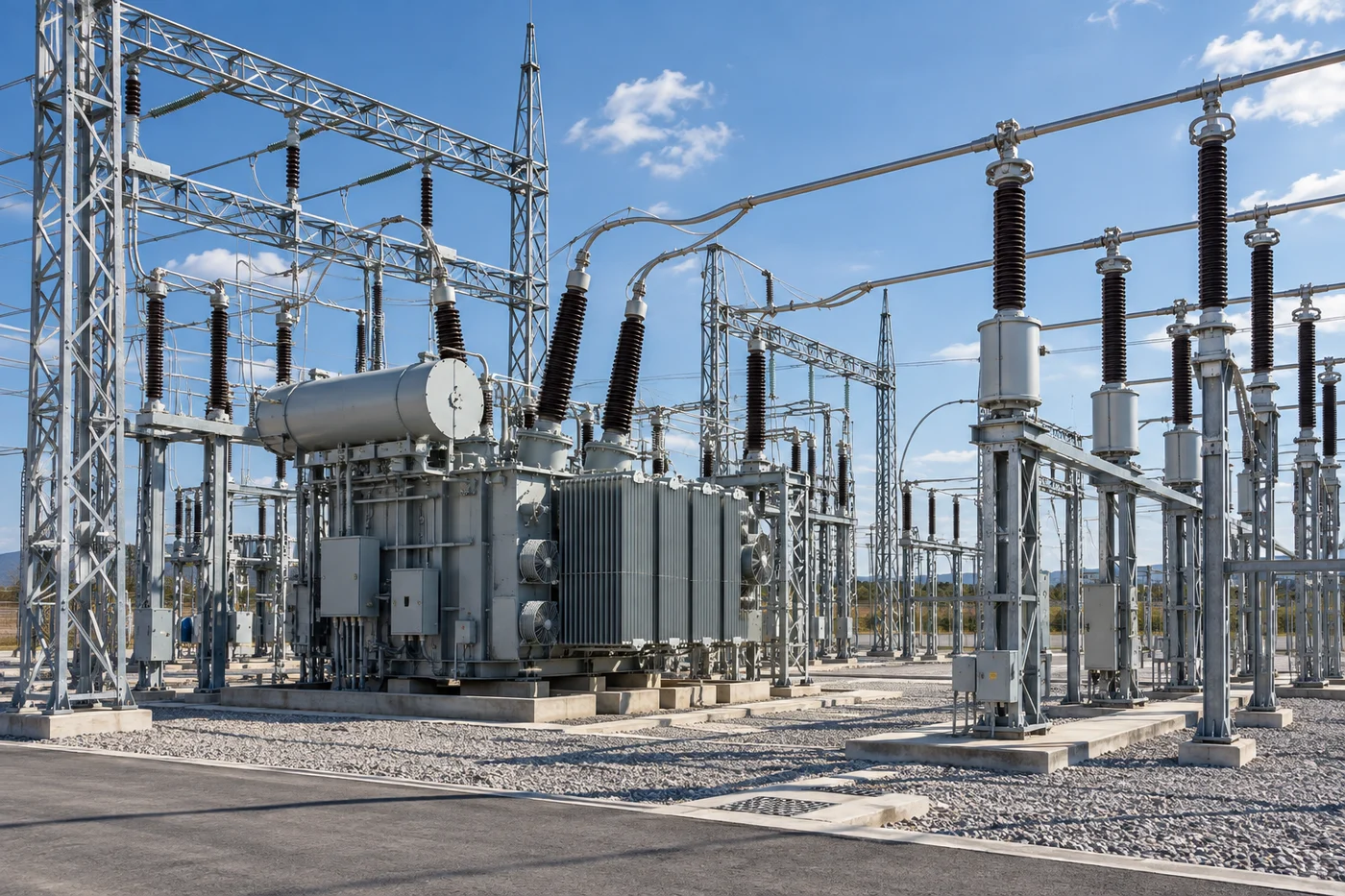
Modern electrical substation with transformers, circuit breakers, busbars and steel gantries

Energy projects move forward when generation, demand and commercial objectives align. Kinetic’s Energy practice brings a relationship-led approach to electricity offtake, power purchase arrangements and infrastructure partnerships.

Our focus is on understanding the project, the counterparty and the commercial need before making an introduction. From gas-to-power concepts to solar and storage opportunities, the aim is a well-qualified conversation with a clear next step.

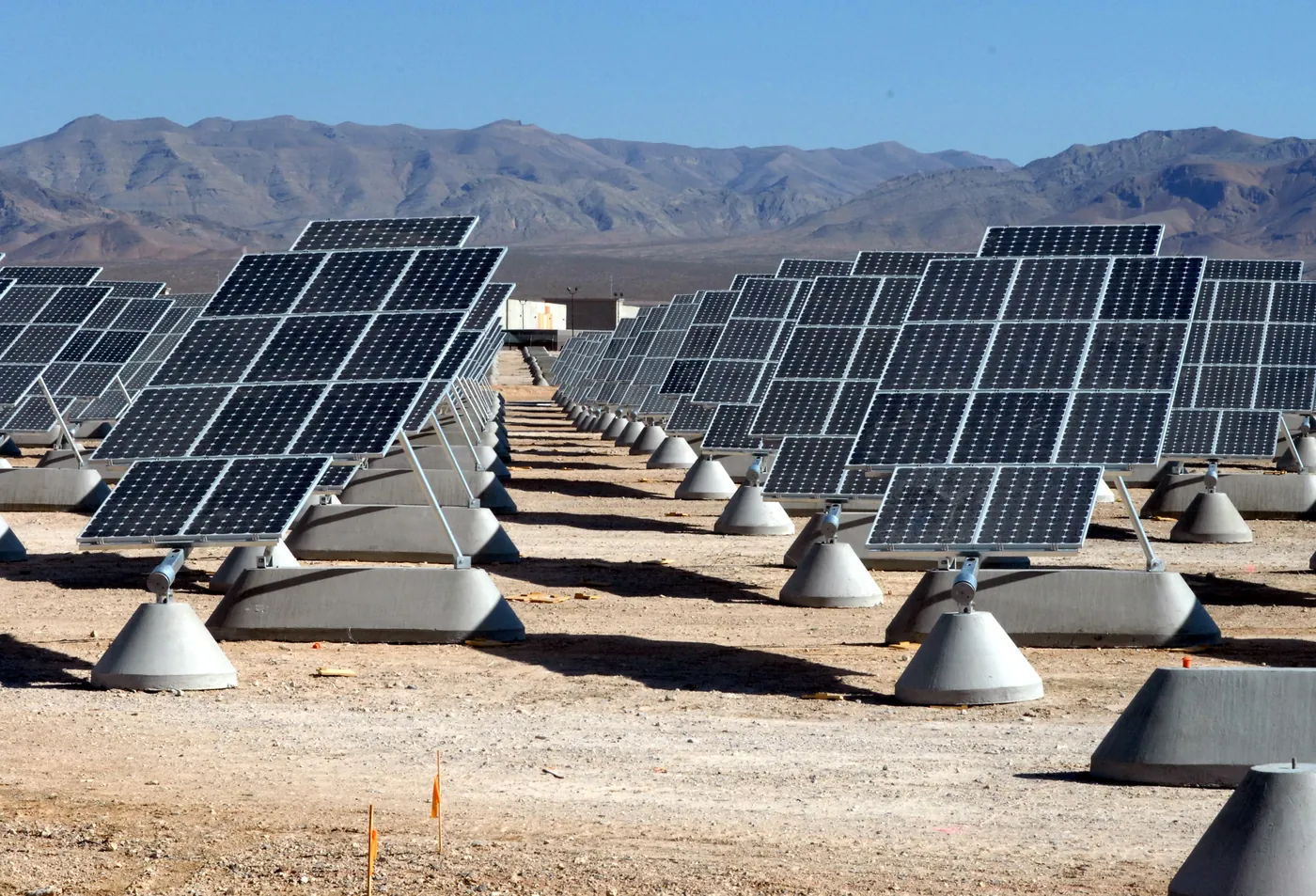
Rows of photovoltaic solar panels at Nellis Air Force Base in Nevada
01 / 01
Energy in focus

Connect generation with the buyer

A solar project and an industrial electricity buyer may have complementary needs, but their operating profiles must align. The first discussion should establish location, interval demand, service date, continuity requirements and scope for flexibility. That brief can then be matched with a generation and delivery concept, including the role of storage or other supply. Physical electricity and environmental attributes also need clear treatment in any proposed offtake arrangement. This makes commercial introductions more useful: participants are discussing the same service and know what evidence would make the next step worthwhile.

Read more: Power purchase agreements
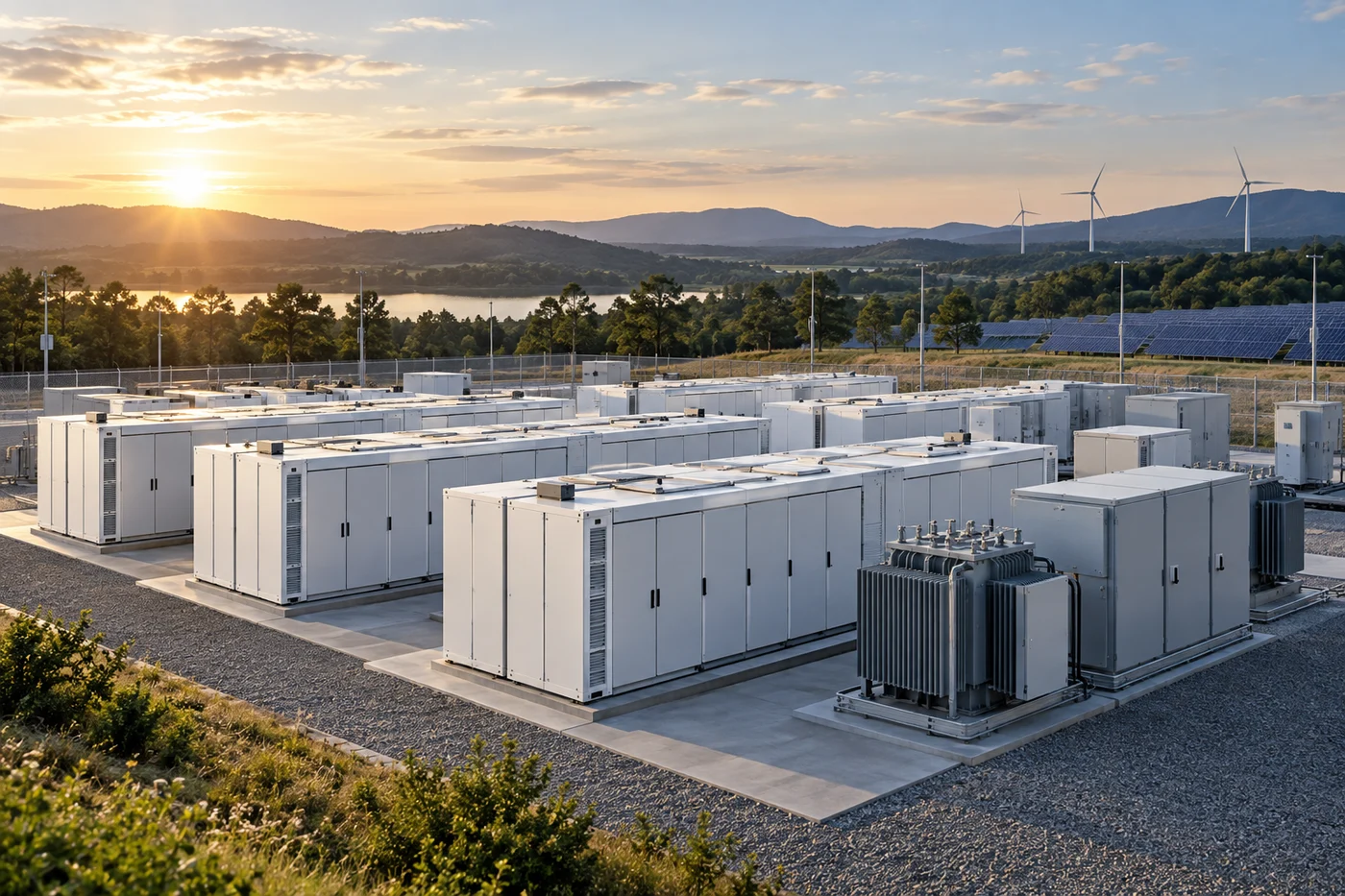
Utility-scale battery energy storage installation with orderly white industrial cabinets and power-conversion equipment on a concrete pad, subtle green landscape
01 / 02
Energy in focus

Make flexibility specific

Solar and storage can work together, but the battery needs a defined job. Shifting electricity into an evening period, managing a site's demand and retaining energy for backup each create different design and operating priorities. A useful conversation specifies power, stored energy, dispatch control and the loads being served. It also asks what happens when solar production is low or the battery is already depleted. The resulting project brief is more informative than a simple capacity headline and gives engineers, operators and prospective buyers a common basis for evaluation.

Read more: Solar + storage
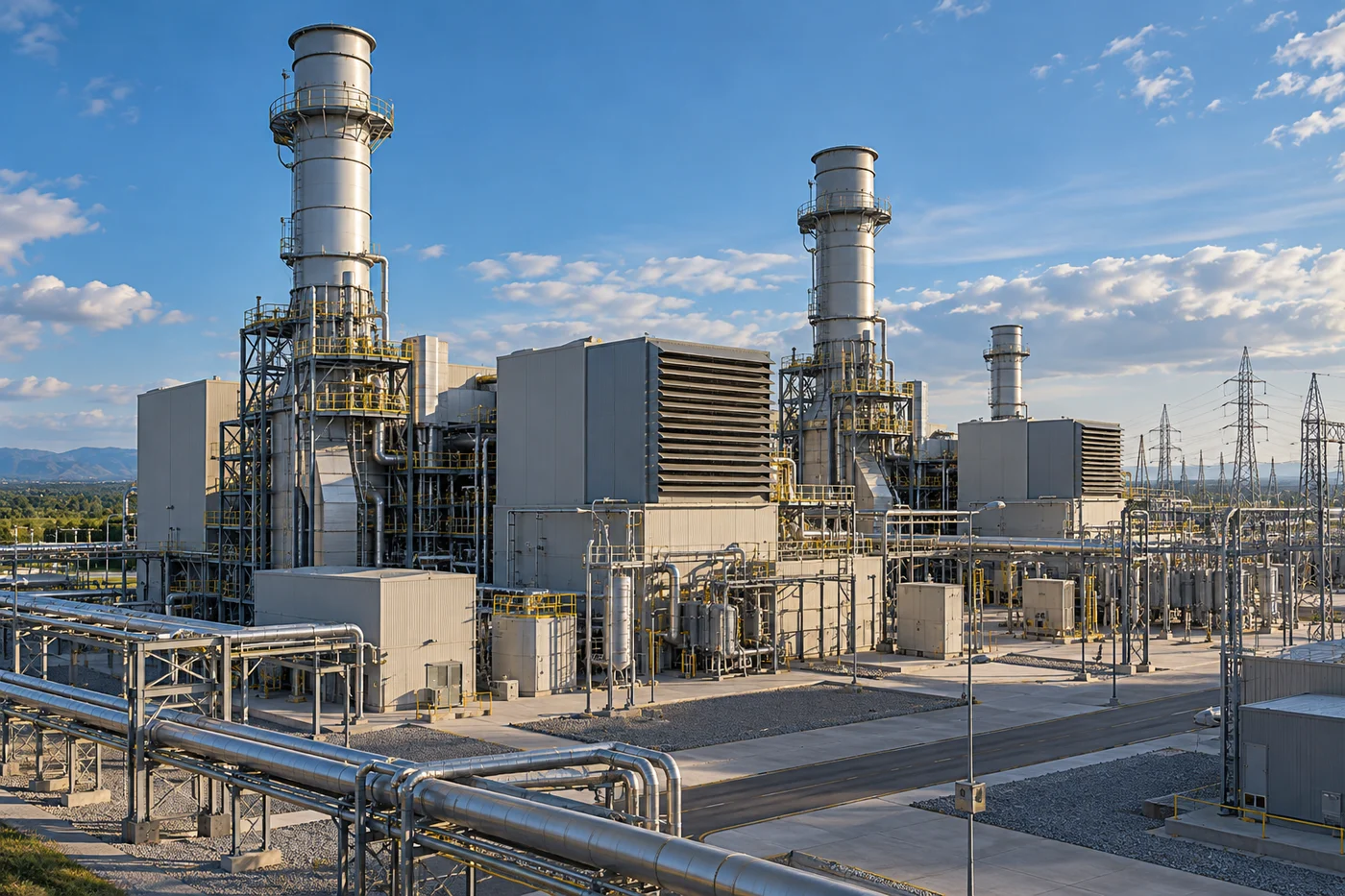
Modern combined-cycle natural gas power station with clean industrial turbine buildings, steel exhaust stacks, pipework, and grid connections
01 / 03
Energy in focus

Connect fuel to useful output

Gas-to-power brings fuel infrastructure and electricity infrastructure into the same project. The commercial case therefore depends on more than the availability of an engine or turbine. Fuel specification, continuity, site conditions, operating permissions and maintenance responsibilities all affect the service that can be offered. Where useful heat is available, a nearby customer and compatible operating schedule matter as well. Distinguishing equipment supply from an operated energy service helps each party understand its role and prevents an early development concept from being mistaken for an available power supply.

Read more: Gas-to-power
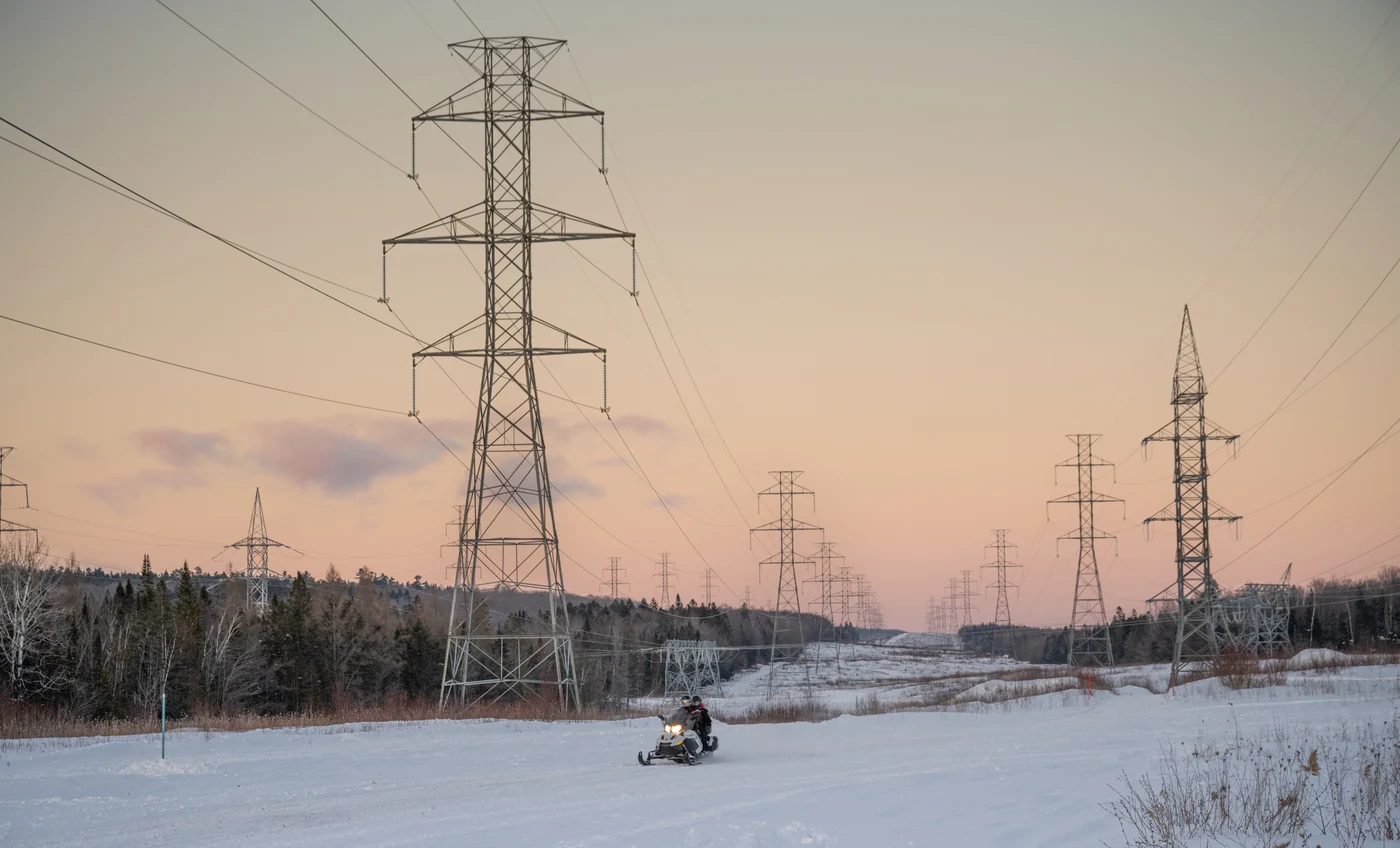
High-voltage transmission towers crossing a snowy landscape at sunset in Quebec
01 / 04
Energy in focus

Know the route to connection

A power project and its network connection progress through related but separate milestones. Commercial teams need to know which studies and agreements are complete, which upgrades remain and which operating conditions will apply. The same discipline matters when a large electricity user is considering a site. A nearby transmission line, an application number or a proposed substation does not settle the delivery question. Connecting the current operator requirements to a dated project schedule helps identify the real constraint and the party best placed to resolve it.

Read more: Grid interconnection
Modern electrical substation with transformers, circuit breakers, busbars and steel gantries
01 / 05
Energy in focus

Make infrastructure partnerships concrete

Energy infrastructure brings together land, equipment, network access and operating responsibility. A substation or generation concept becomes actionable when those workstreams have identified owners and a credible sequence of milestones. The commercial brief should establish the project's verified stage, the specific partner needed and the evidence supporting the requested role. It should also separate proposed capacity from service that is already available. Clear interfaces help equipment providers, developers, operators and prospective users understand where they can contribute and which unresolved conditions need attention before a commitment is made.

Read more: Grid interconnection
The system, at a glance

Energy is a connected system.

  1. 01GenerationResource and dispatch
  2. 02Grid connectionAccess and capacity
  3. 03Storage & flexibilityTiming and response
  4. 04Demand & offtakeLoad and contract

A conceptual operating model. Project design and commercial terms depend on the application.

From understanding to action

A clearer brief.
A better conversation.

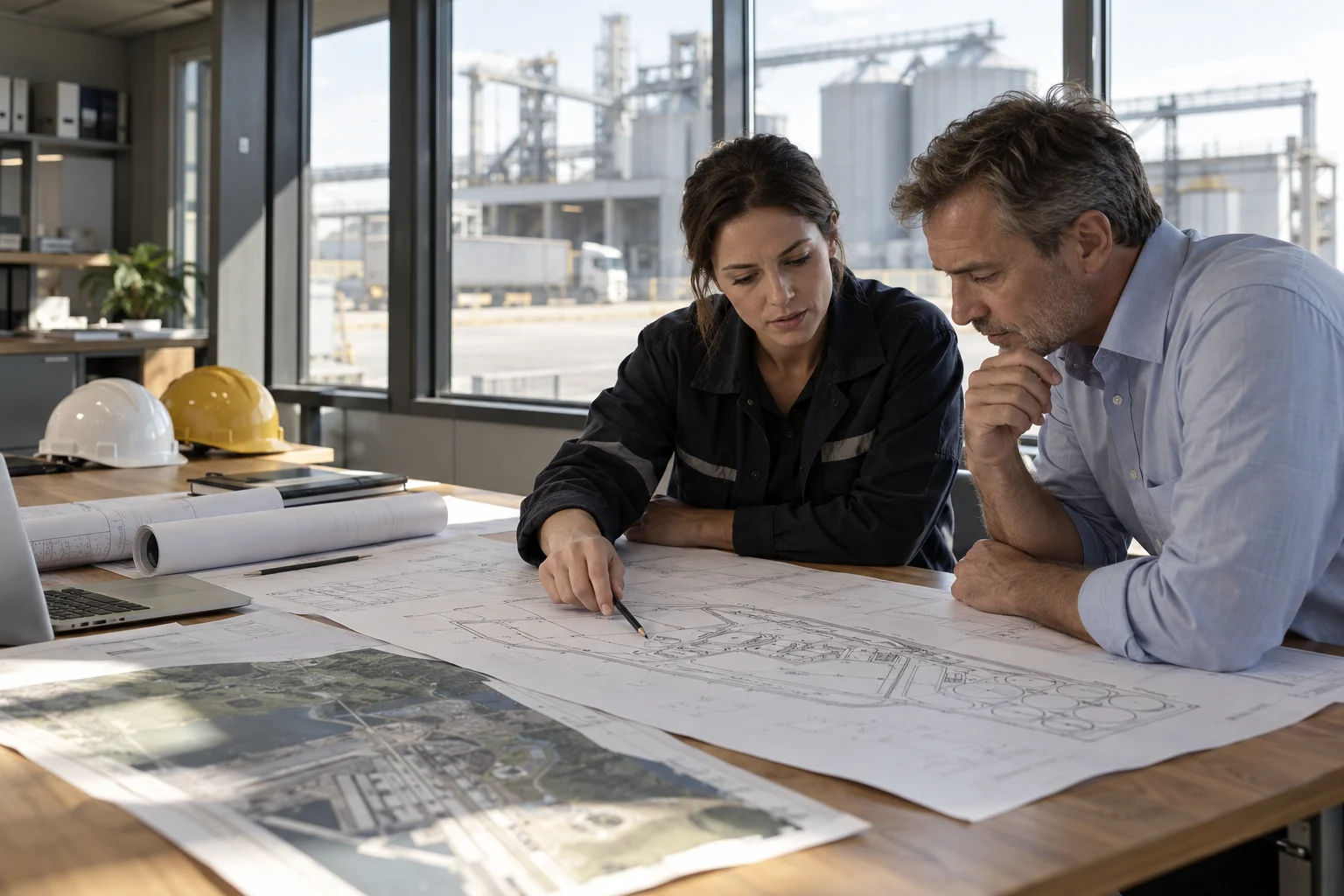
Two professionals reviewing logistics plans in a daylight industrial site office

Start with the application, the current stage and the evidence already available. Then identify the technical and commercial questions that must be answered before counterparties can assess the fit.