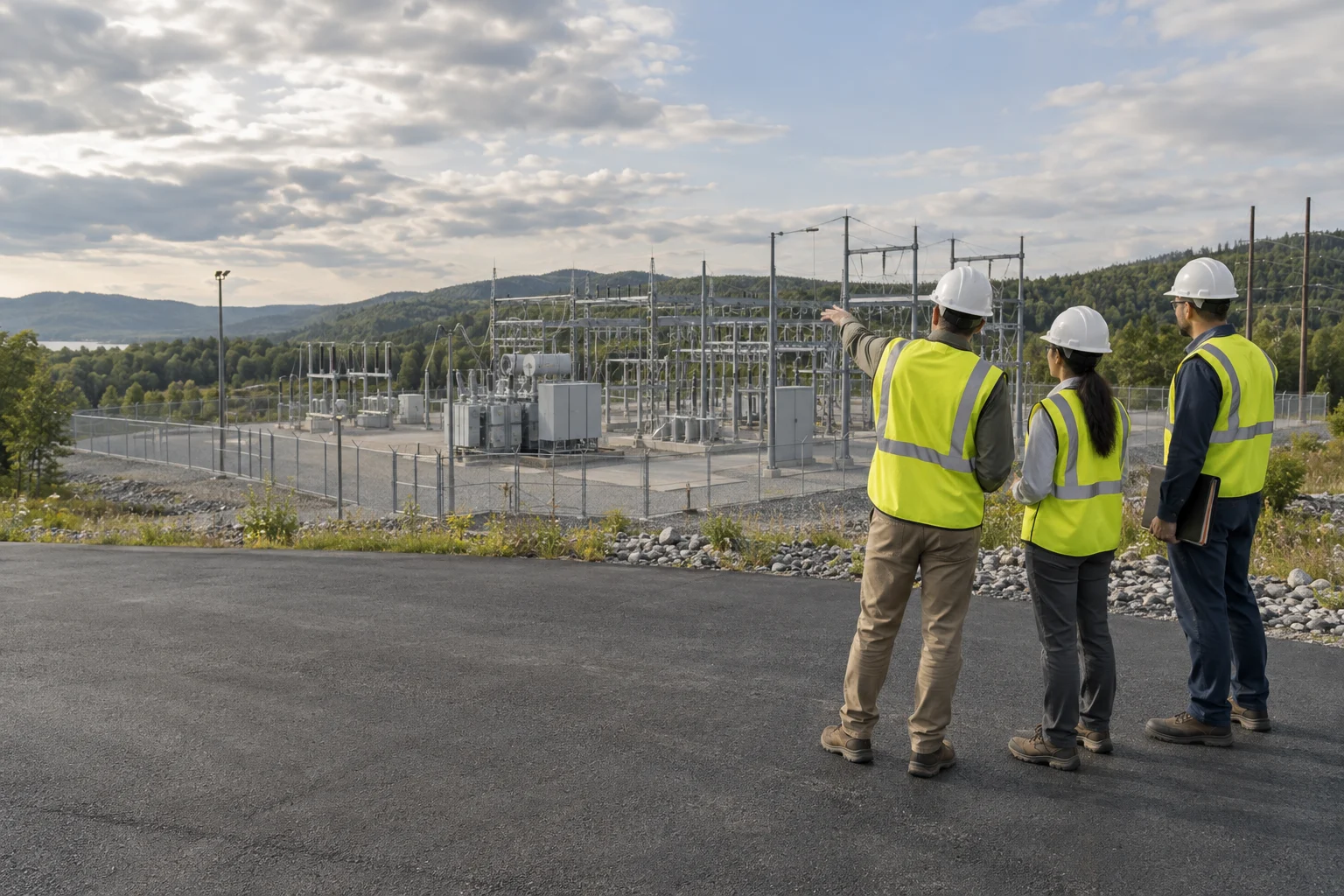
How it works.
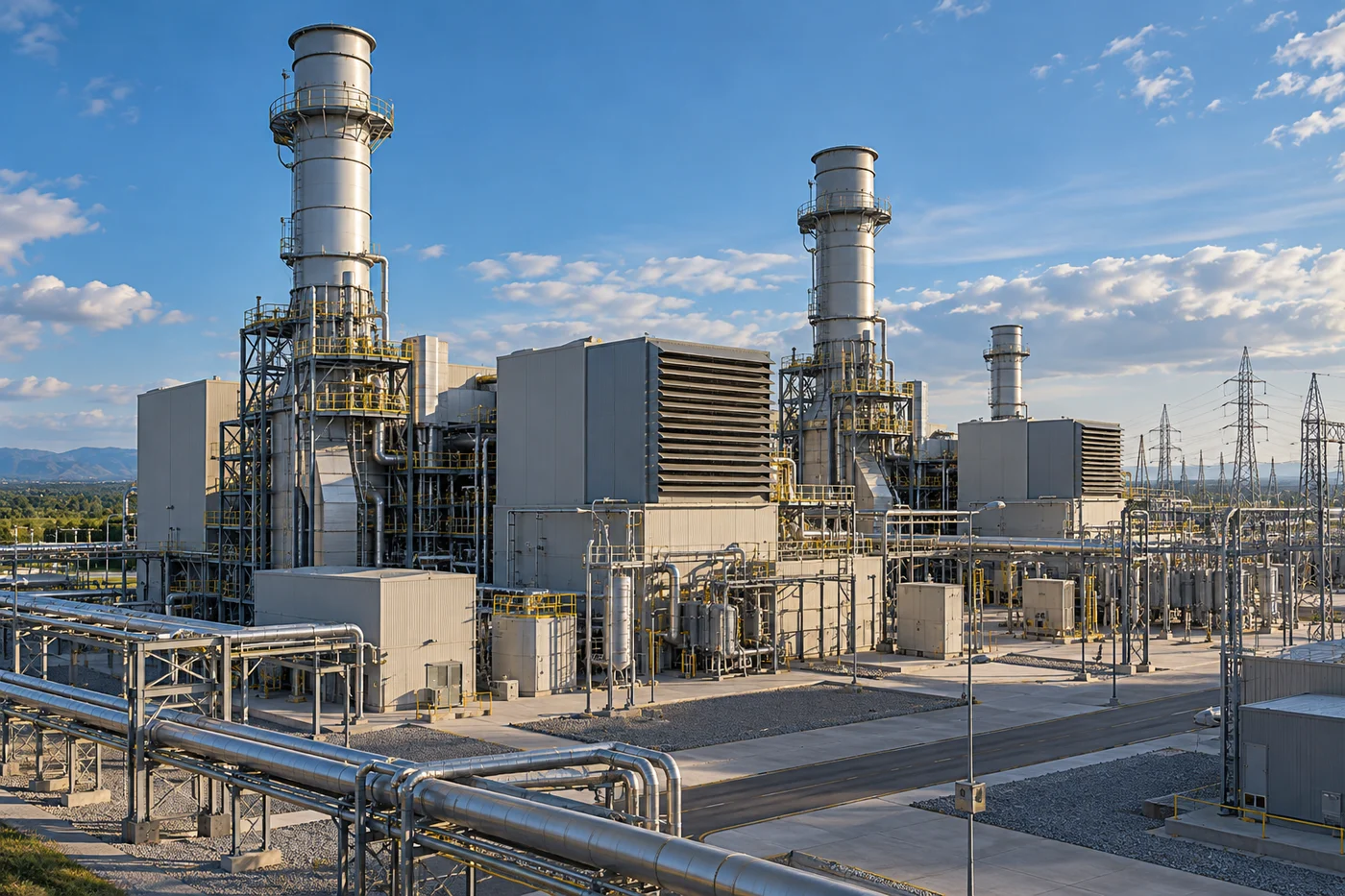
Gas-to-power uses a gaseous fuel in equipment that produces electricity. In a reciprocating engine, combustion drives pistons and a shaft connected to a generator. In a gas turbine, expanding hot gases drive a turbine and generator. The appropriate equipment depends on the size and variability of the load, fuel characteristics, start-up requirements, ambient conditions and maintenance strategy. A gas resource alone is not an electricity supply: conditioning, pressure, delivery reliability, electrical equipment and controls all sit between the resource and the customer's usable power.
Heat recovery changes the system boundary. Combined heat and power captures useful thermal energy alongside electricity for a nearby process, building or district system. A combined-cycle power plant uses heat from a gas turbine to support additional electricity generation through a steam cycle. These arrangements serve different purposes and should not be described interchangeably. Recoverable heat has practical value only when a suitable user, temperature requirement and operating schedule align. A facility with intermittent heat demand needs a different evaluation from a continuously operating industrial process.
Where it creates a useful connection.
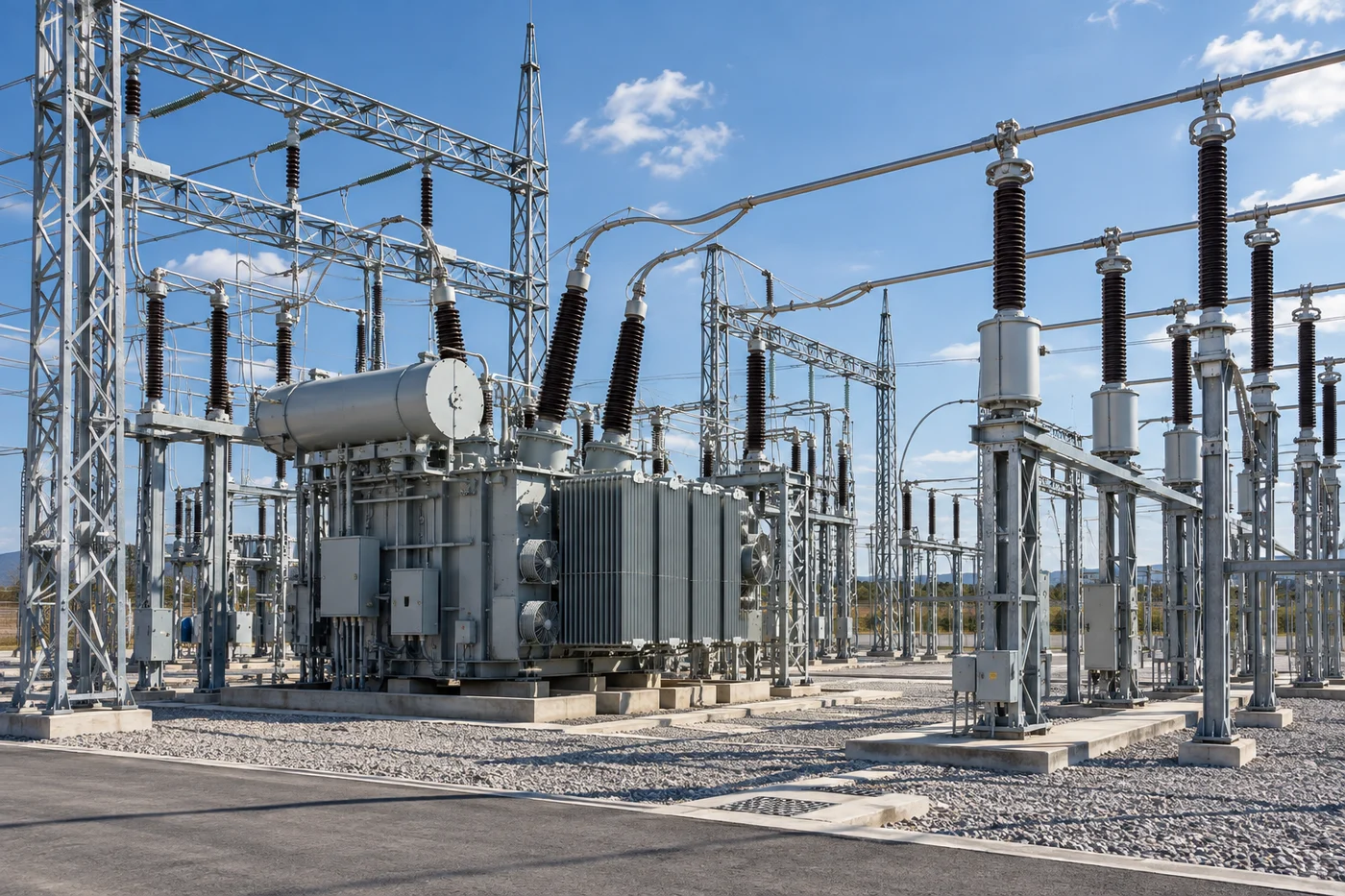
The first commercial distinction is the service being sold: fuel, generation equipment, an operating plant, electricity delivered at a defined point or an integrated energy service. Each involves different responsibilities. For on-site supply, the buyer needs a clear view of its normal load, startup demands, planned expansion and tolerance for interruption. For grid-connected generation, connection status and market participation matter alongside plant performance. A proposed development, an equipment reservation and an operating installation are distinct stages, and evidence of one should not be used to imply another.
A credible project discussion brings the gas and electricity workstreams together. Questions about fuel quality, access and continuity belong beside questions about maintenance outages, backup arrangements, operating permissions and emissions. The commercial model should show who owns the major equipment, who operates it and who is responsible if fuel or generation is unavailable. Comparisons need a consistent boundary covering auxiliary power, fuel delivery and useful output under realistic conditions. Published equipment data can establish a starting point, but site-specific engineering and approvals remain necessary before representing dependable capacity or a delivery date.
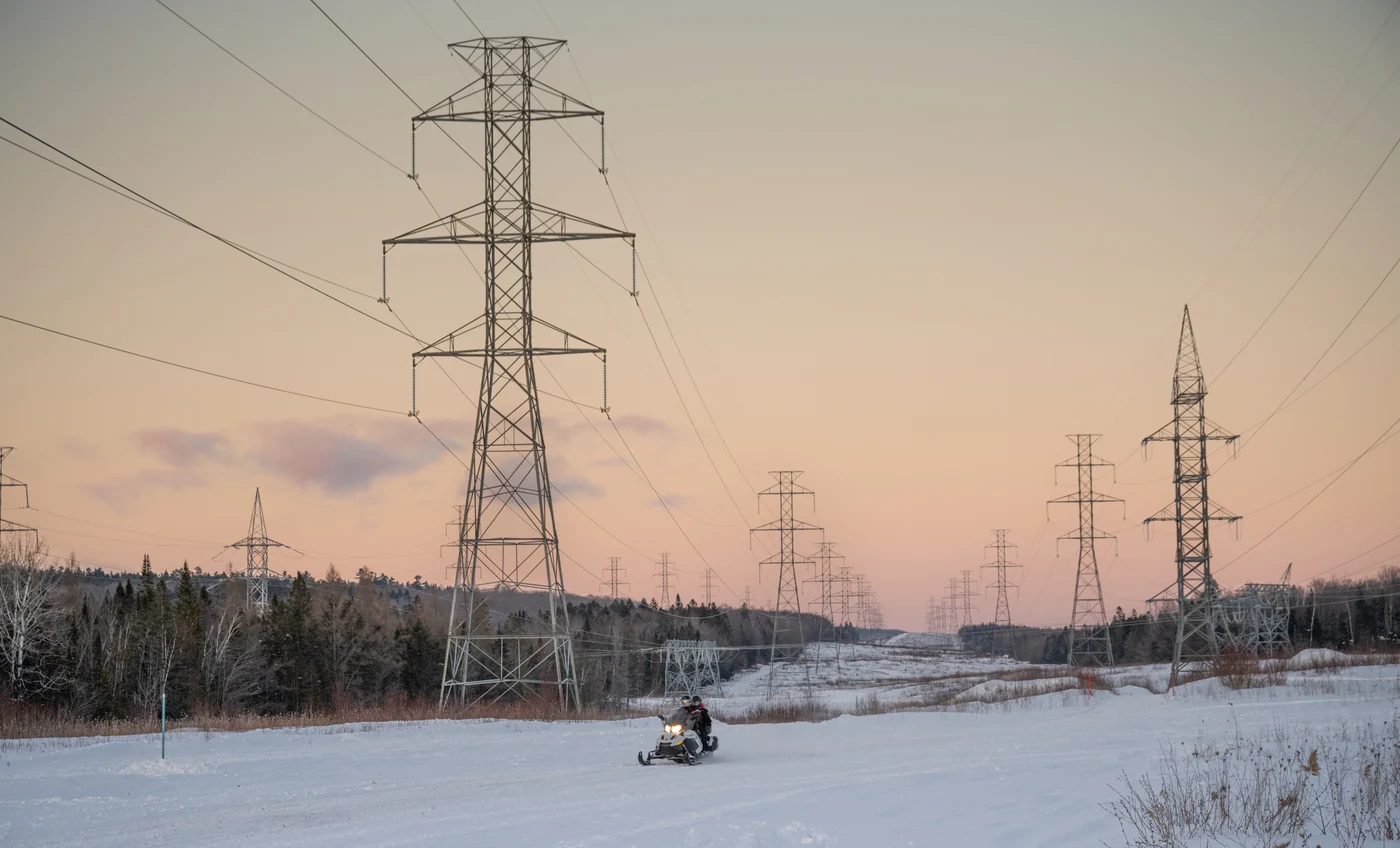
Evaluate the complete delivery chain. Dependable gas-to-power is a coordinated operating system, not simply a generator paired with a nearby fuel source.