
Kinetic Business Group
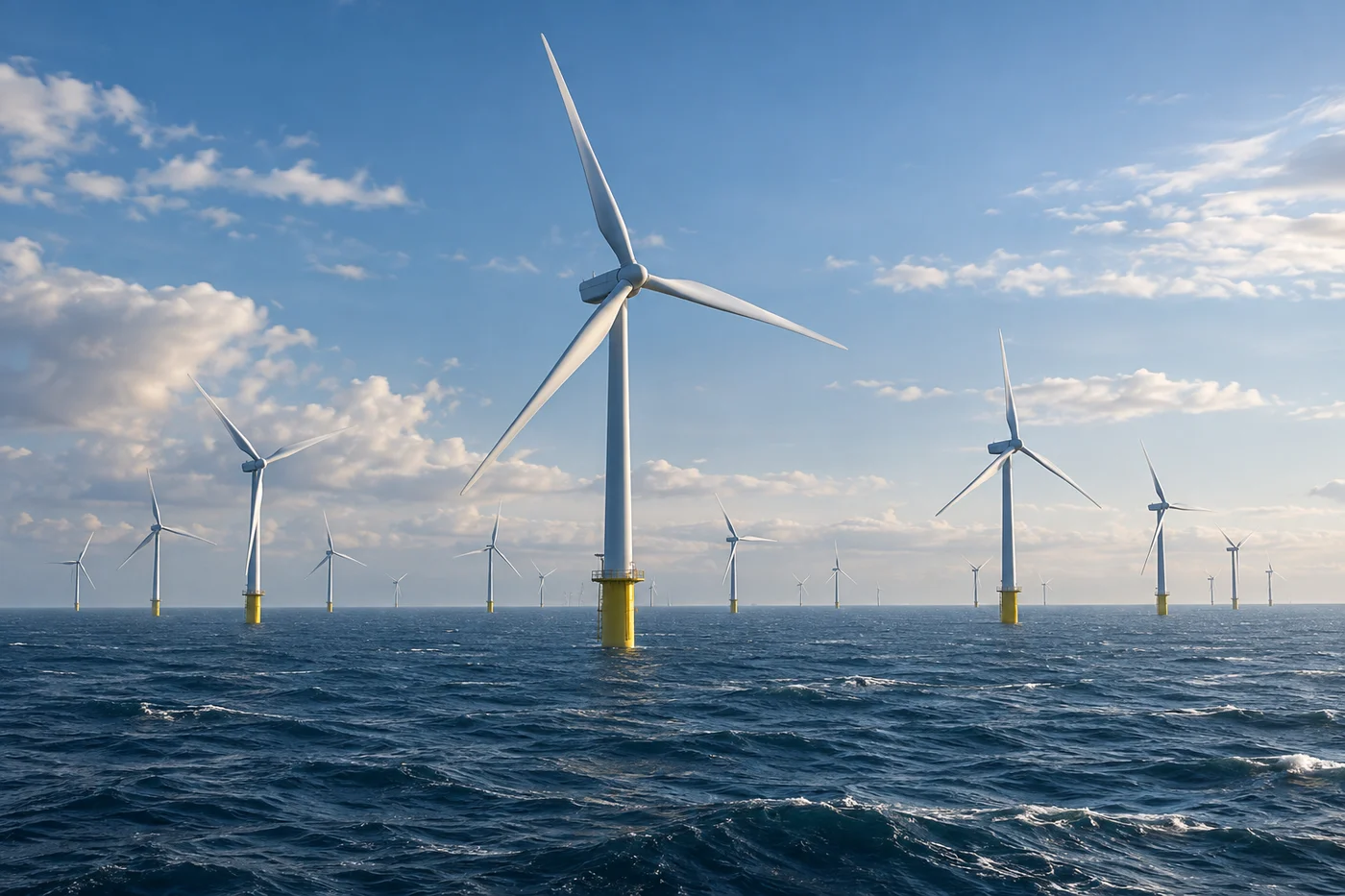
Offshore wind farm with modern white wind turbines in blue-grey sea, gentle waves and clear atmospheric distance, natural coastal daylight
Kinetic / Clean Technology

Advancing technologies that transform industry.

Connecting practical innovation with the partners and applications that can move it forward.

Explore the landscape
One sector. Many connections.

Understand the system.
Find the commercial fit.

Violet and blue vanadium electrolyte samples beside a small electrochemical test stack in a clean-energy laboratory.

Commercial adoption is a connection problem as much as a technology challenge. Kinetic’s Clean Technology practice explores the relationships that help emerging solutions reach industrial use cases.

The focus includes flow-battery storage, power conversion, electrical conductor innovation and next-generation propulsion. Potential demonstration partners, customers and infrastructure applications are considered against each technology’s verified stage and requirements.

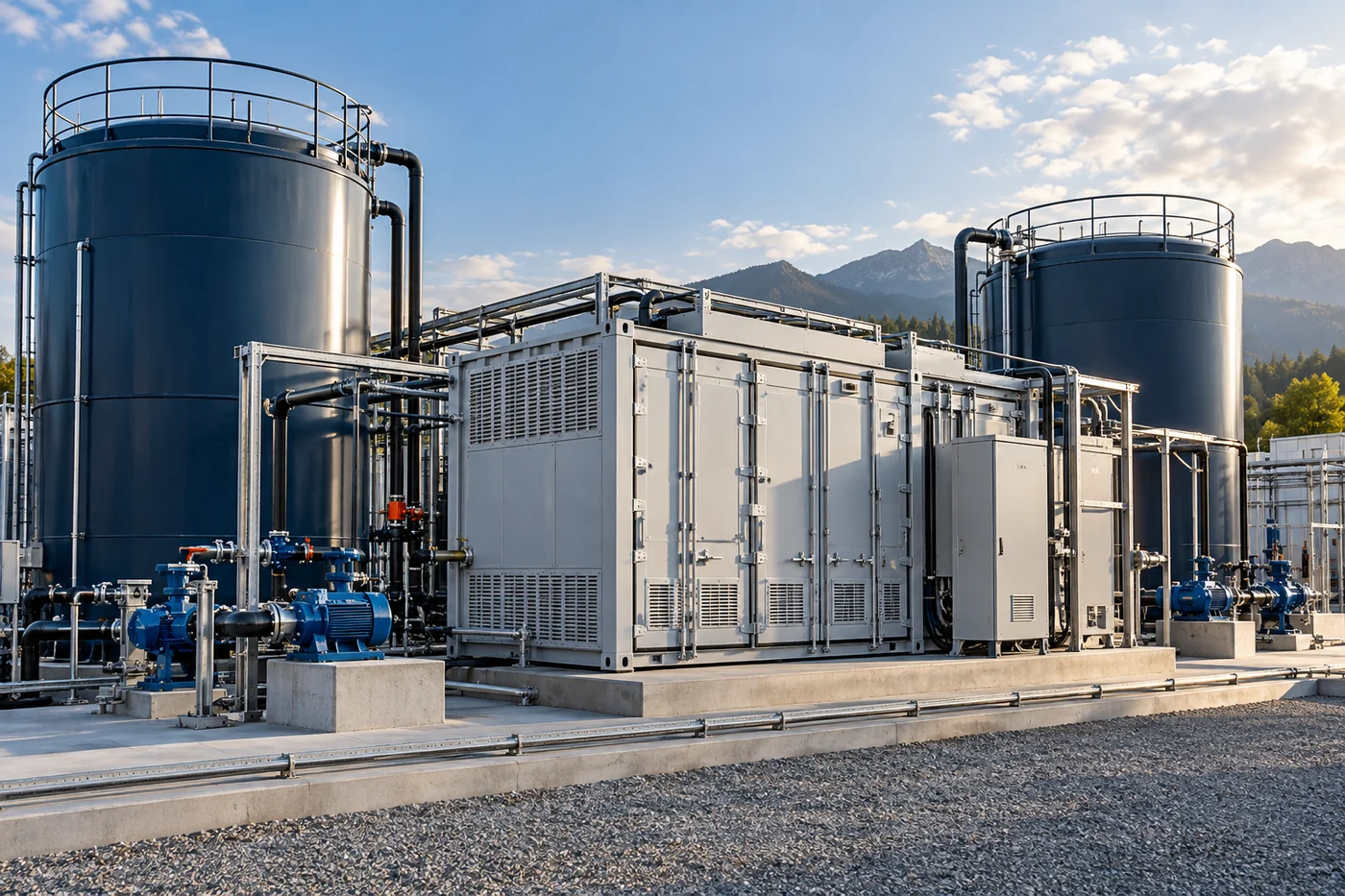
Modern containerized flow-battery installation with separate cylindrical electrolyte tanks, pumps and electrical enclosure, outdoor industrial energy storage site, professional daylight view
04 / 01
Clean Technology in focus

Start with the energy task

Clean-technology evaluation starts with a defined service. Storage may need to shift renewable output or sustain a remote load; a converter may need to support a grid connection or control a motor. Those are different operating problems. Flow batteries bring their own chemistry, footprint and maintenance requirements into the storage discussion. Connecting the underlying mechanism with the intended duty makes technology comparisons more useful. A practical brief describes the operating profile, the installation boundary and what must be demonstrated before a component capability becomes a dependable service at the customer's site.

Read more: Flow batteries
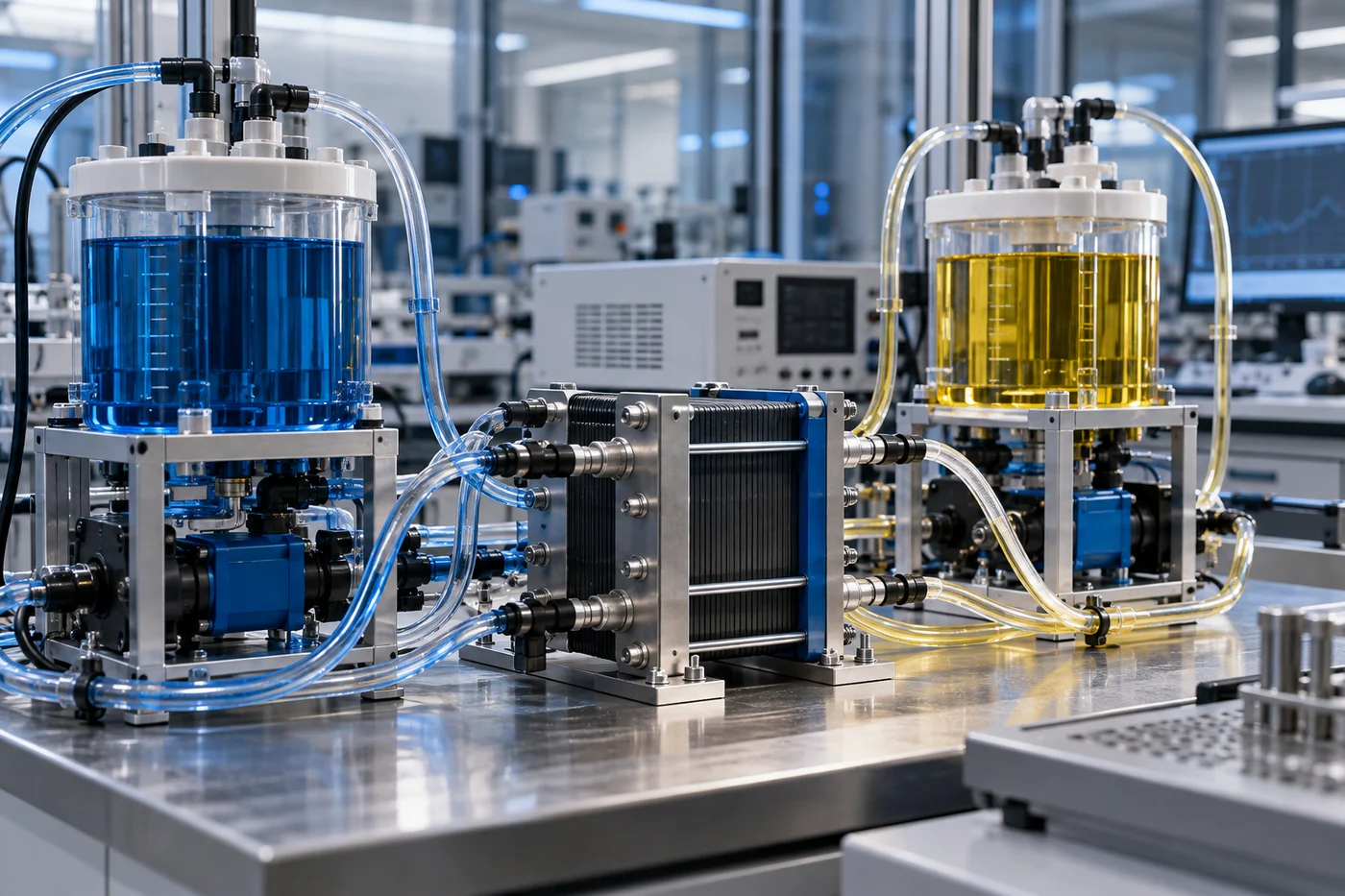
Flow-battery testing laboratory with two paired electrolyte reservoirs, transparent recirculation tubing, a compact rectangular electrochemical stack and testing instruments on a clean bench
04 / 02
Clean Technology in focus

Separate stored energy from delivered service

Flow batteries illustrate why the boundary of a performance claim matters. Electrolyte, cell stack and complete plant answer different questions. Flexible sizing can help match a stationary application, while pumps, controls, maintenance and power conversion determine what reaches the connection point. Evaluation should follow that full chain and distinguish chemistry-specific evidence from claims about the wider category. The practical questions are concrete: what duty was tested, what intervention was required, and which parts need attention over time? An operating plan makes those dependencies visible before a specification becomes a project assumption.

Read more: Flow batteries
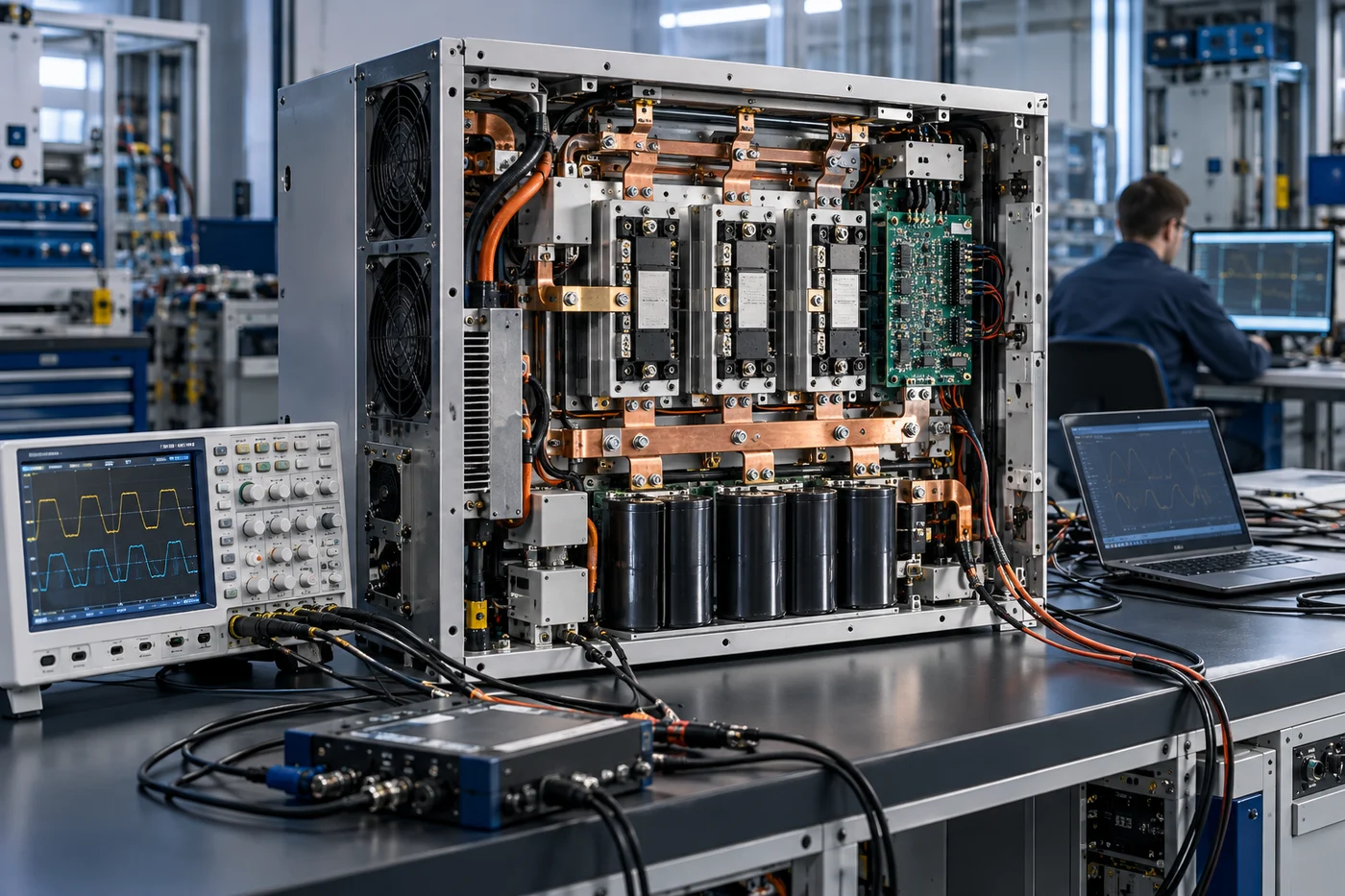
Professional power electronics laboratory with an open industrial inverter unit showing power modules, busbars, capacitors and measurement equipment, technically plausible clean arrangement
04 / 03
Clean Technology in focus

Examine the electrical interfaces

Power conversion connects technologies that otherwise operate with different electrical characteristics. It is the interface between a battery and a motor, or between a solar array and a grid. The value of a converter depends on how its hardware and controls behave with the surrounding system. Switching materials, packaging and cooling deserve attention alongside waveform quality and response to disturbances. A complete comparison therefore includes operating conditions and integration responsibility. Clear interface definitions help reveal whether a proposed component simplifies an installation or moves additional engineering work elsewhere in the system.

Read more: Power conversion
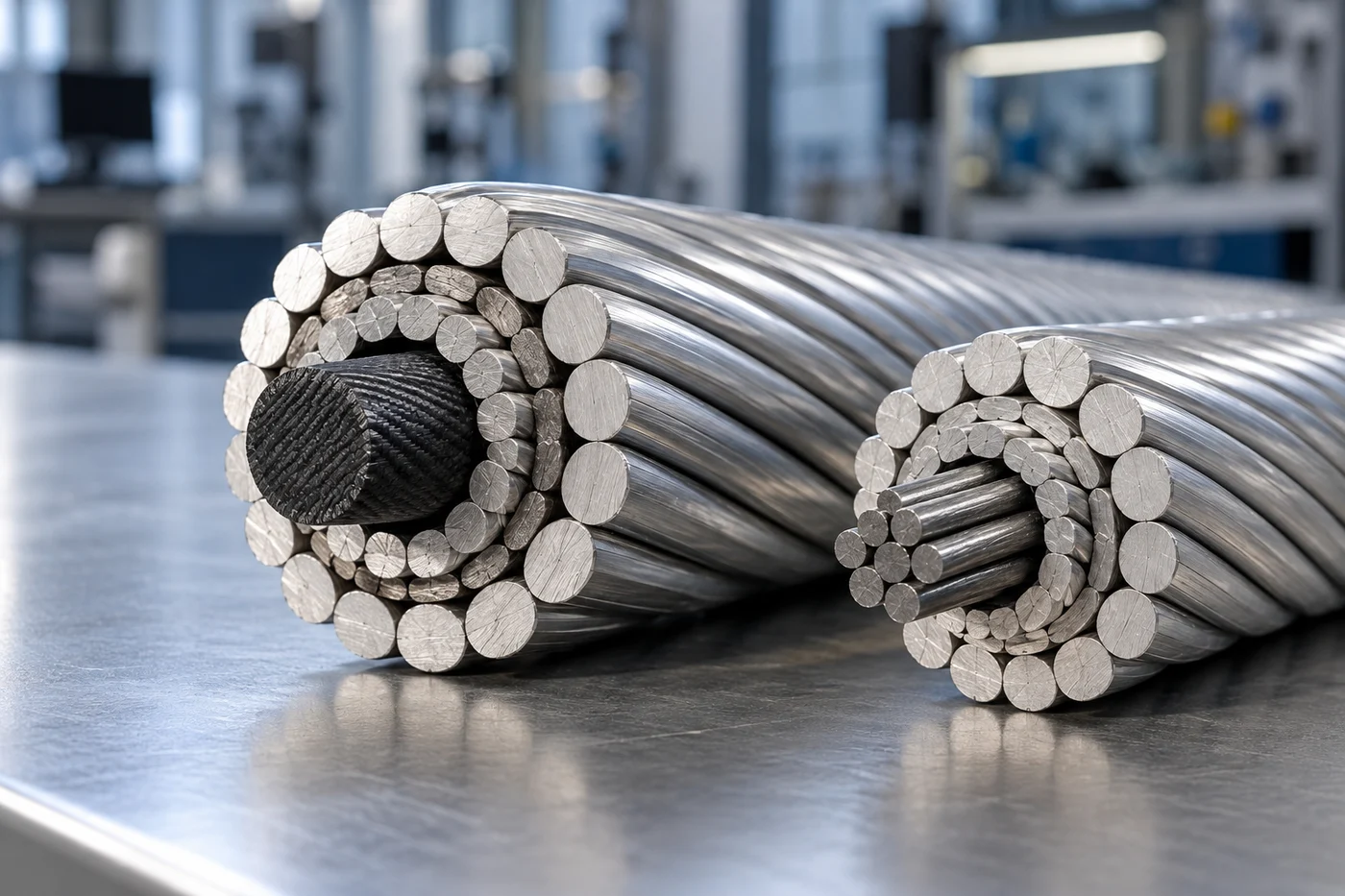
Close view of two cutaway samples of advanced overhead electric transmission conductor cable, concentric aluminium strands around dark composite and steel cores, placed horizontally on a neutral laboratory surface
04 / 04
Clean Technology in focus

Improve the corridor with a network view

Advanced conductors bring materials engineering into a familiar infrastructure question: how can an existing transmission route serve changing requirements? A replacement conductor may improve the line's physical capability, but the result depends on structures, clearances, installation practice and neighboring equipment. Dynamic ratings and network controls can provide complementary information or flexibility. Evaluation should keep these contributions distinct and establish where the actual bottleneck sits. The meaningful outcome is an evidenced improvement that the network can use, supported by a construction and inspection approach suited to the selected conductor design and route.

Read more: Advanced conductors
Small modern white two-seat electric light aircraft parked safely on an airfield apron, side three-quarter view, propeller stopped, no logos or registration text
04 / 05
Clean Technology in focus

Let the mission set the propulsion architecture

Electric propulsion combines energy storage or generation, distribution, conversion, motors and vehicle controls. The intended mission determines whether that combination is practical. Aircraft and vessels bring different weight, space, infrastructure and approval constraints, so a successful component test cannot settle the platform question. Diligence should connect the operating profile to integrated evidence, then make certification or classification boundaries explicit. It should also follow the energy beyond the vehicle: charging access, port or ground infrastructure and maintenance arrangements affect the service that an otherwise capable propulsion system can actually deliver.

Read more: Electric propulsion
The system, at a glance

From technical promise to operating proof.

  1. 01Application fitDefine the duty
  2. 02System integrationConnect the components
  3. 03DemonstrationMeasure the result
  4. 04Repeatable deploymentSupport the lifecycle

A conceptual operating model. Project design and commercial terms depend on the application.

From understanding to action

A clearer brief.
A better conversation.

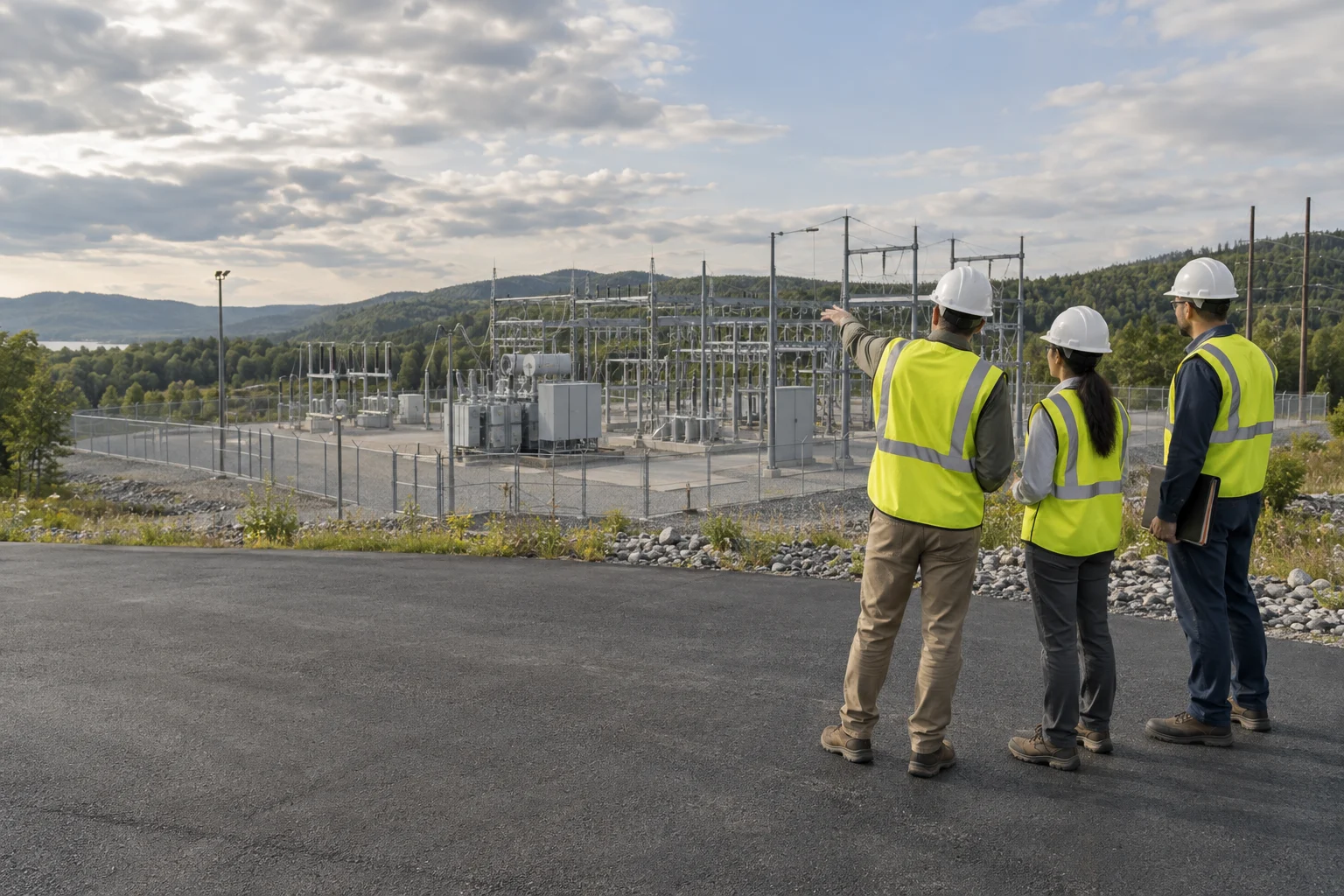
Civil engineering team safely viewing a power substation from outside the perimeter

Start with the application, the current stage and the evidence already available. Then identify the technical and commercial questions that must be answered before counterparties can assess the fit.