How it works.
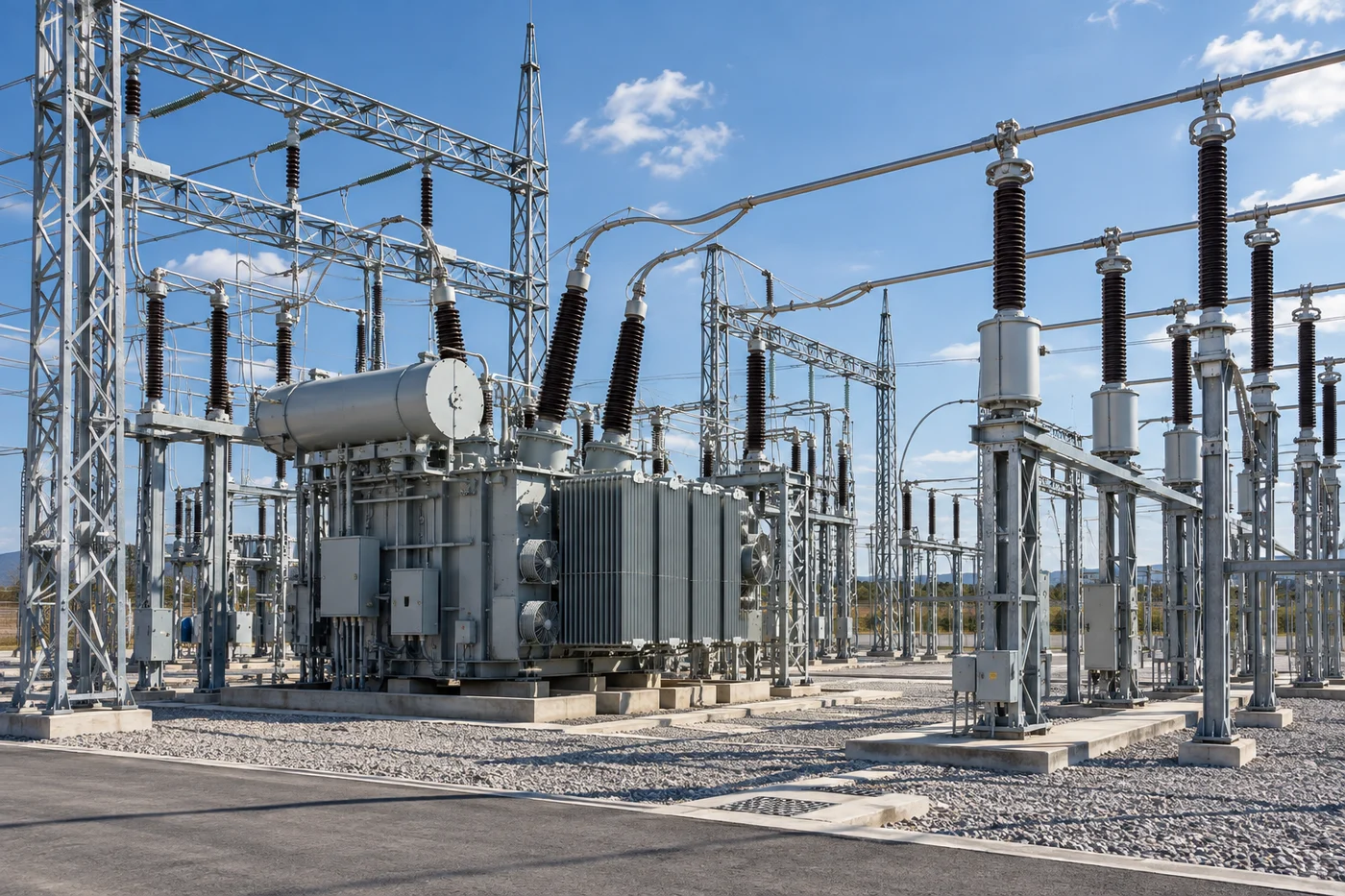
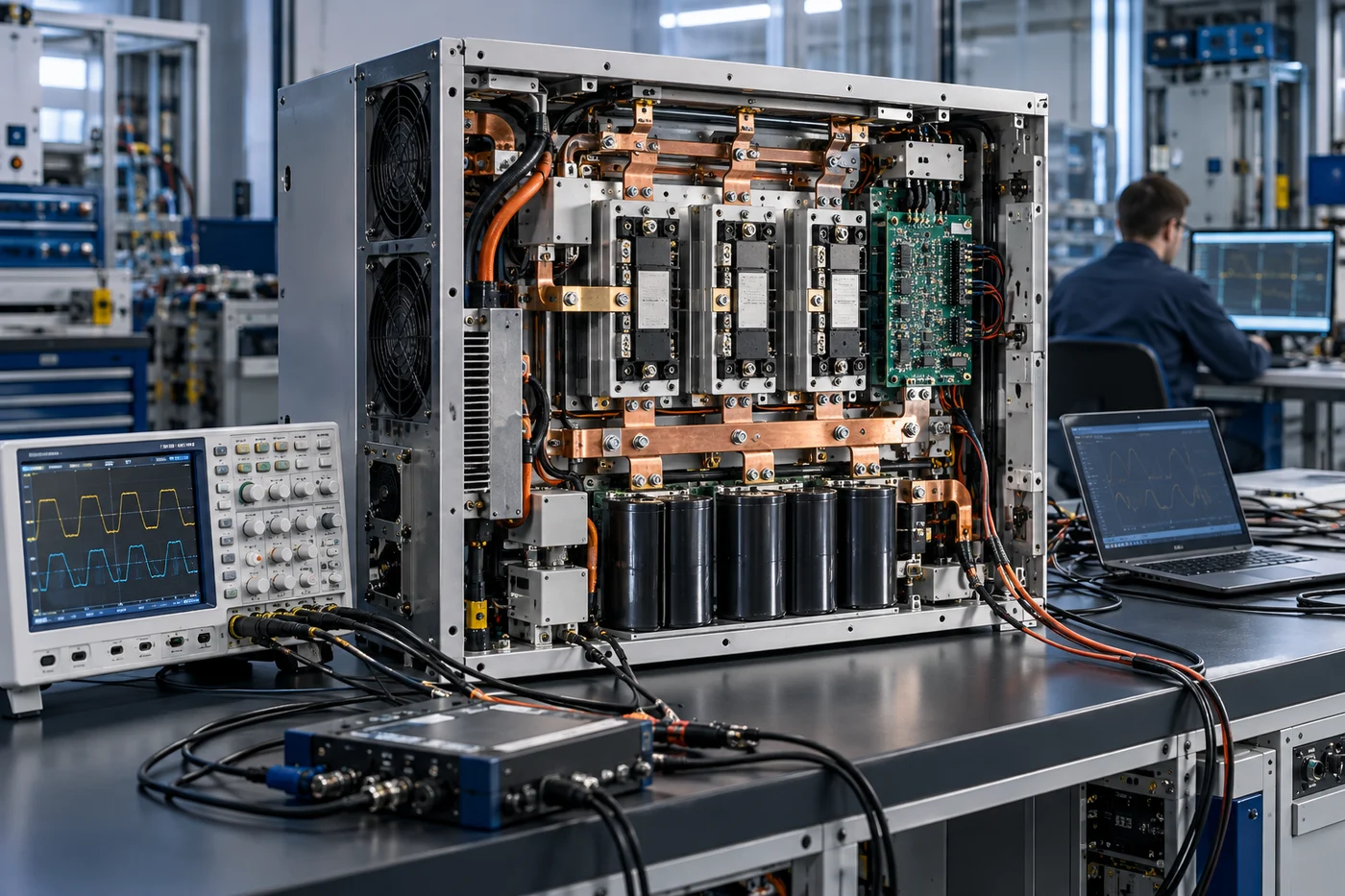
Power electronics regulate electrical energy using semiconductor switches controlled by precise timing. An inverter converts direct current into alternating current; a rectifier performs the reverse function; a direct-current converter changes voltage between electrical subsystems. Filters and other circuit elements shape the resulting waveform. In a motor drive, the inverter controls the electrical supply that determines motor operation. At a grid connection, the conversion system must interact with the surrounding network. Power conversion therefore combines hardware that carries energy with control logic that decides how the equipment responds to changing conditions.
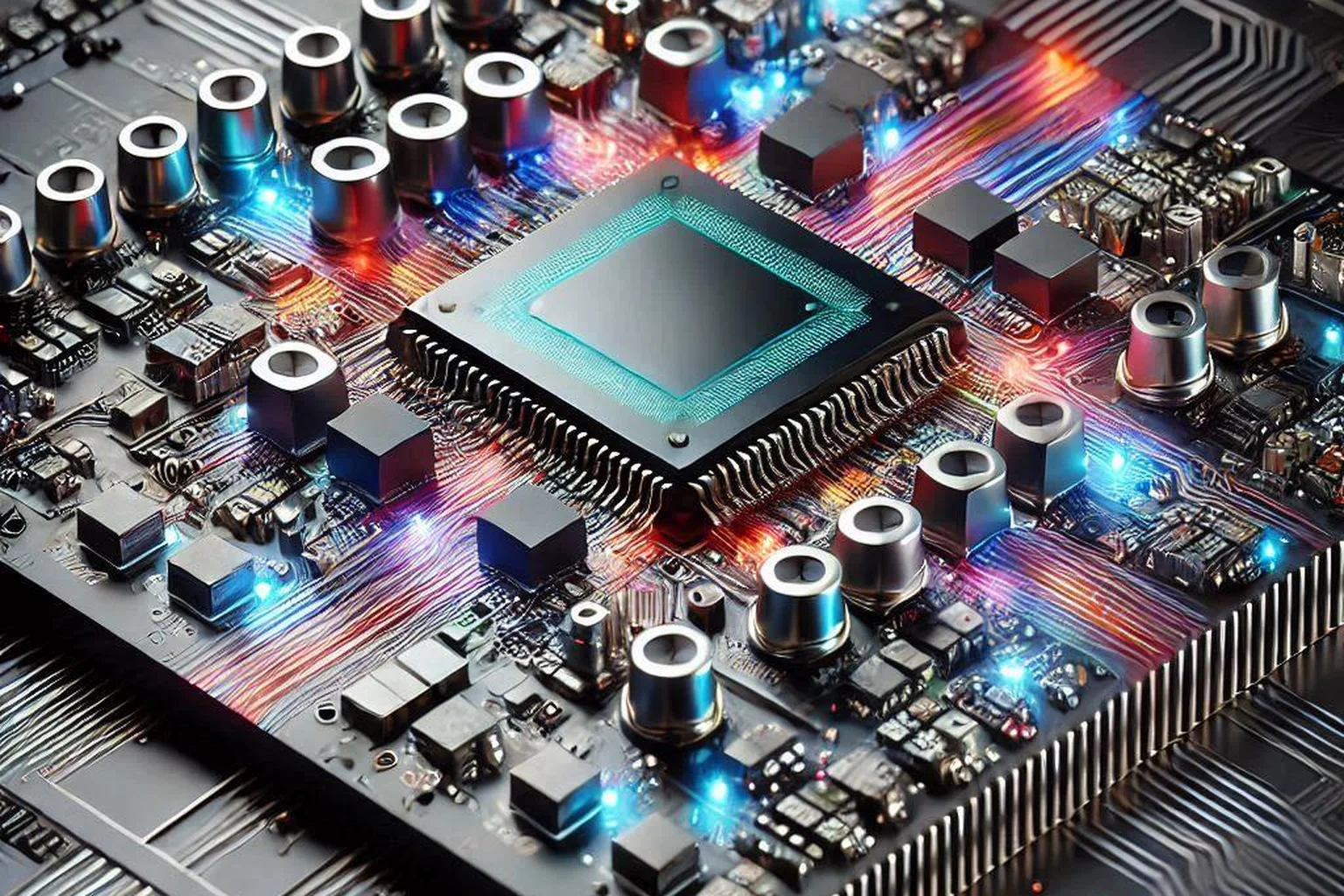
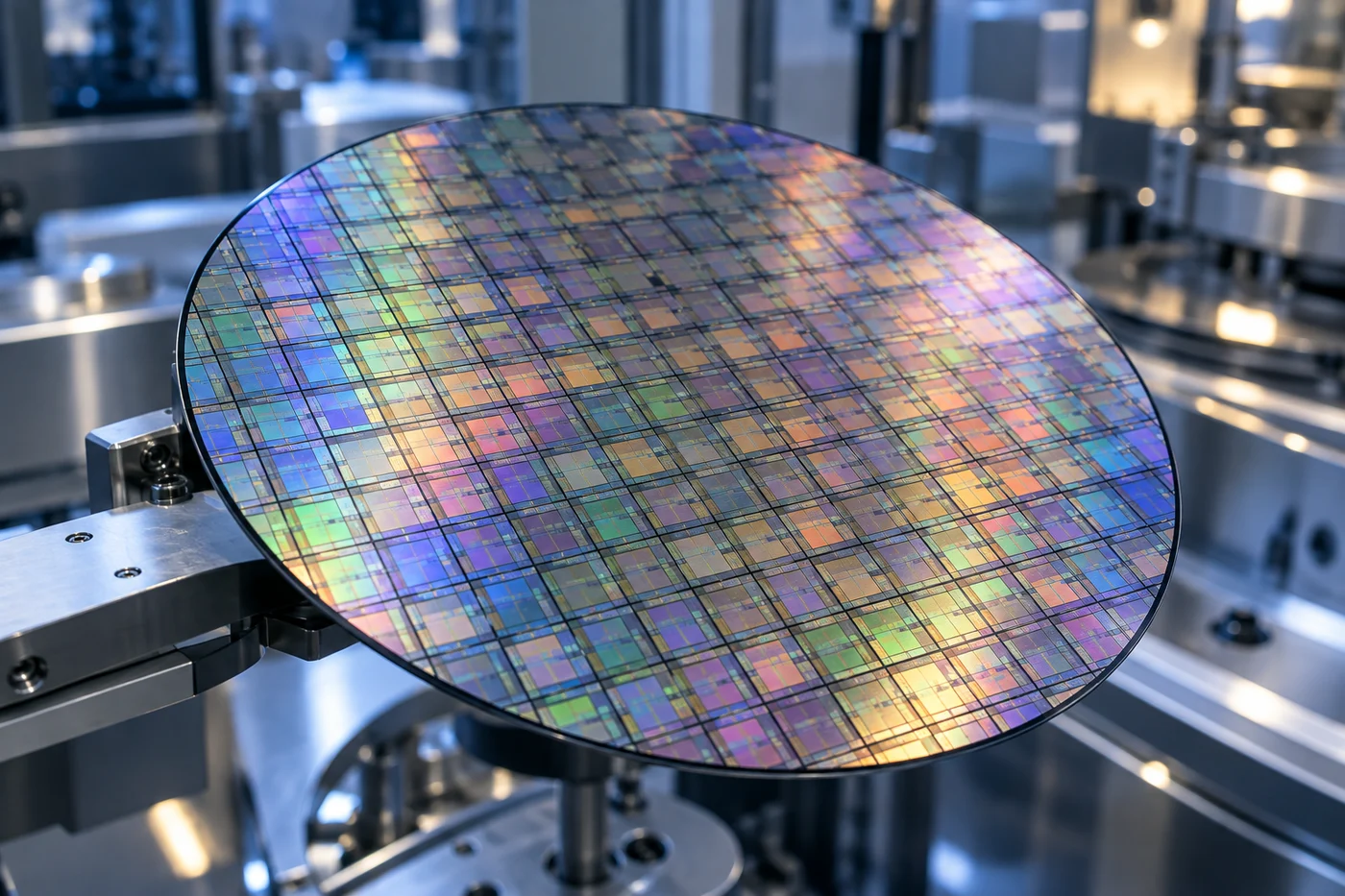
The semiconductor is only part of the design. Packaging, capacitors, magnetic components, cooling, sensing and protection all affect the finished unit. Silicon carbide and gallium nitride are wide-bandgap materials that can support different switching and thermal design choices from conventional silicon. Their potential benefits must be assessed at system level: a device capability becomes useful only when the surrounding assembly can support it. Grid-connected inverters may also provide voltage or frequency support through their controls. Those functions depend on the implemented design and available energy; they are not automatic properties of every inverter.
Where it creates a useful connection.
Power conversion sits at important interfaces in solar installations, storage plants, charging equipment and electric drives. That makes integration requirements central to a commercial comparison. A unit intended for one voltage range, cooling arrangement or operating profile may be a poor fit elsewhere, even when its nameplate power appears suitable. Early specification should define the electrical source, the load or grid interface, normal operating modes and expected disturbances. The comparison then becomes a question of demonstrated behavior within the intended system, including startup, shutdown, light-load operation and transitions between modes.
Evidence should cover the assembled product and its controls, rather than stopping at a semiconductor data sheet. Thermal testing, electrical performance and system-response studies answer different questions. For grid applications, clarify which support functions are implemented and what studies establish compatibility with the connection. For drives, assess the converter together with the motor and cooling system. Procurement also needs an explicit boundary around supplied controls, configuration support and replacement modules. A technically strong component can still create integration work if responsibility for these interfaces remains unclear.
The useful product is the converter working inside its intended system. Assess hardware, controls, thermal design and interface responsibility together.