How it works.
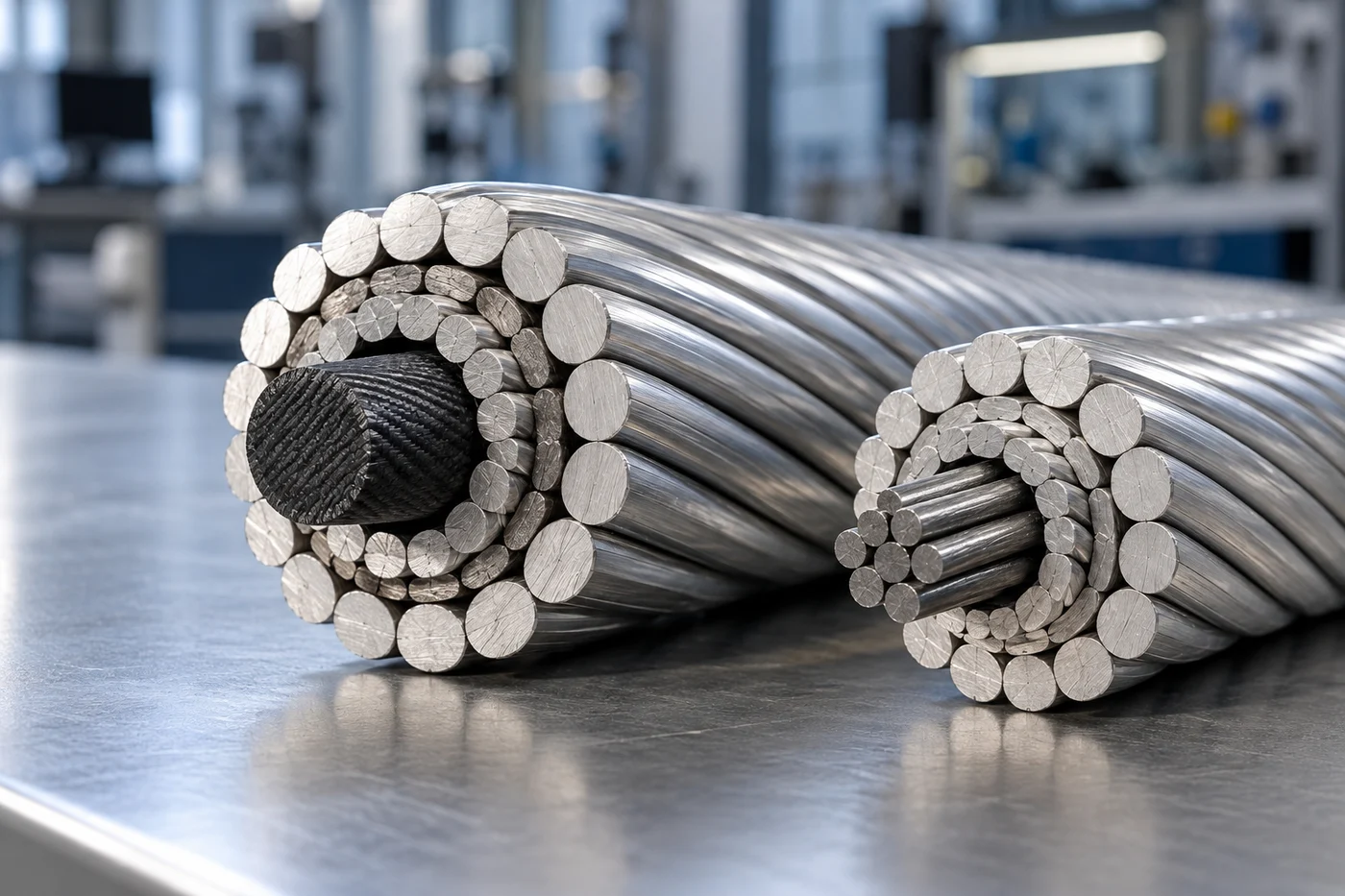
An overhead transmission conductor must carry current while supporting mechanical loads between structures. Current produces heat, and temperature affects both the conductor and the clearance beneath it. Advanced conductor designs alter the materials and construction used to balance these demands. Some use composite cores; others use different metallic cores or aluminum configurations. Depending on the design, they can offer useful combinations of current-carrying capability, weight and thermal sag behavior. The category therefore covers several engineering approaches. A claim about one design should not be treated as a universal property of every advanced conductor.
Reconductoring replaces the wire on an existing route, potentially retaining structures and much of the established corridor. The usable result depends on structure condition, spans, clearances, fittings and the electrical network around the line. It is also distinct from dynamic line rating, which adjusts operating limits using observed or estimated conditions. These approaches can complement each other, but improved wire and improved visibility solve different problems. A low-sag conductor, for example, still needs an appropriate method for determining thermal limits; a monitoring method based on sag must suit the conductor's behavior.

Where it creates a useful connection.
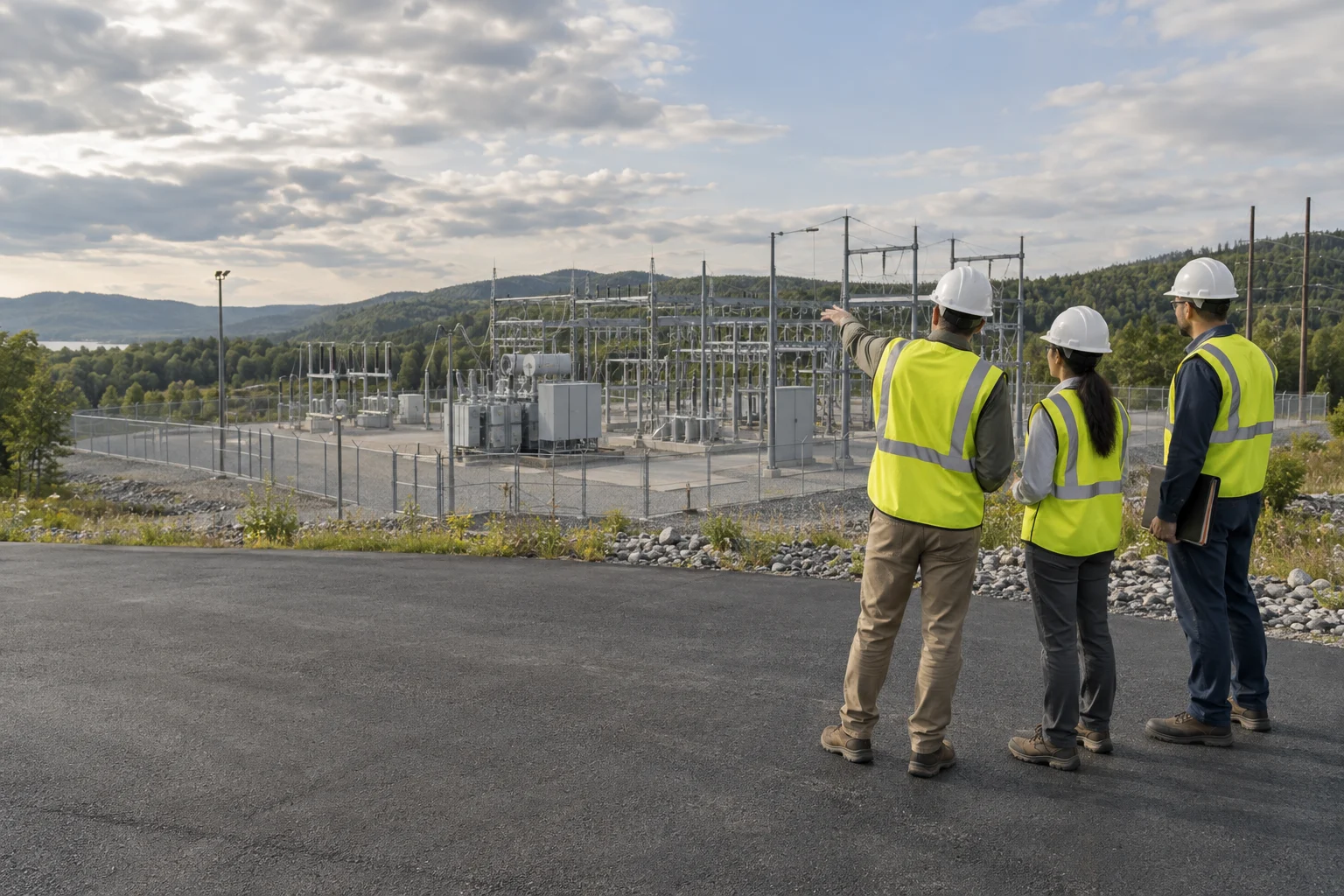
The attraction of reconductoring is the possibility of improving an existing asset without starting with an entirely new route. That makes it particularly relevant when an existing line is constrained and construction access or corridor development is difficult. The first commercial question is whether the conductor is actually the limiting element. Neighboring lines, substation equipment and other system requirements may limit the benefit that can be used. A route-specific assessment should compare feasible conductor designs with other upgrades and explain which physical constraint each option removes. Expected benefits should be tied to that assessment.
Installation and operating evidence deserve the same attention as material properties. Handling requirements, joining methods, trained crews and compatible hardware can affect execution. Specify how delivered material is inspected, how installation damage is detected and what records support acceptance. The commercial package should also explain outage needs, replacement access and long-term inspection methods. Existing structures may remain useful, but their suitability should be verified rather than assumed. A sound evaluation connects conductor characteristics with construction practice and a network study, then identifies any additional equipment work required to realize the proposed improvement.
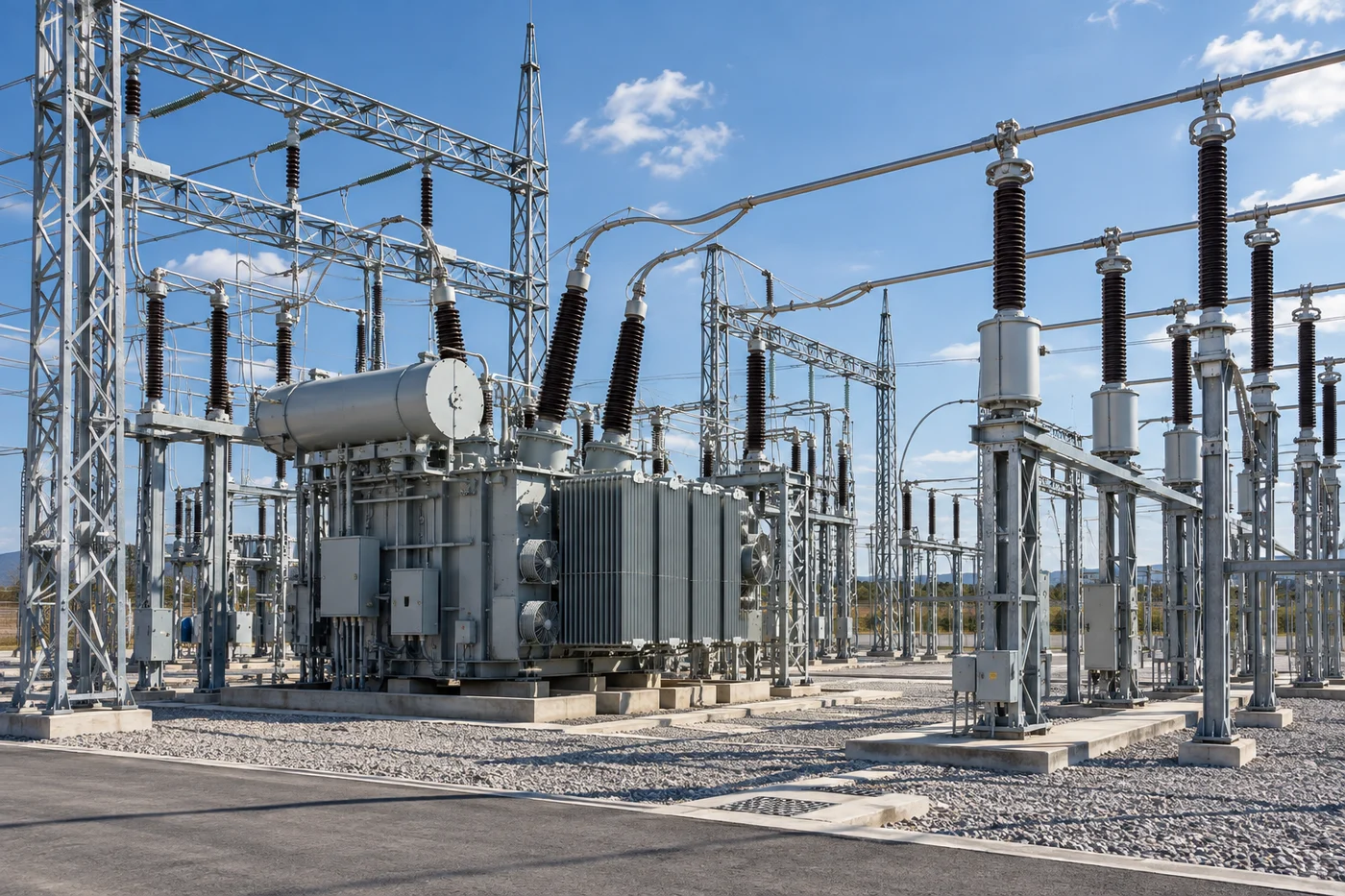
The value of an advanced conductor is route-specific. Confirm the network bottleneck, installation method and supporting infrastructure before interpreting a material advantage as a project benefit.