How it works.
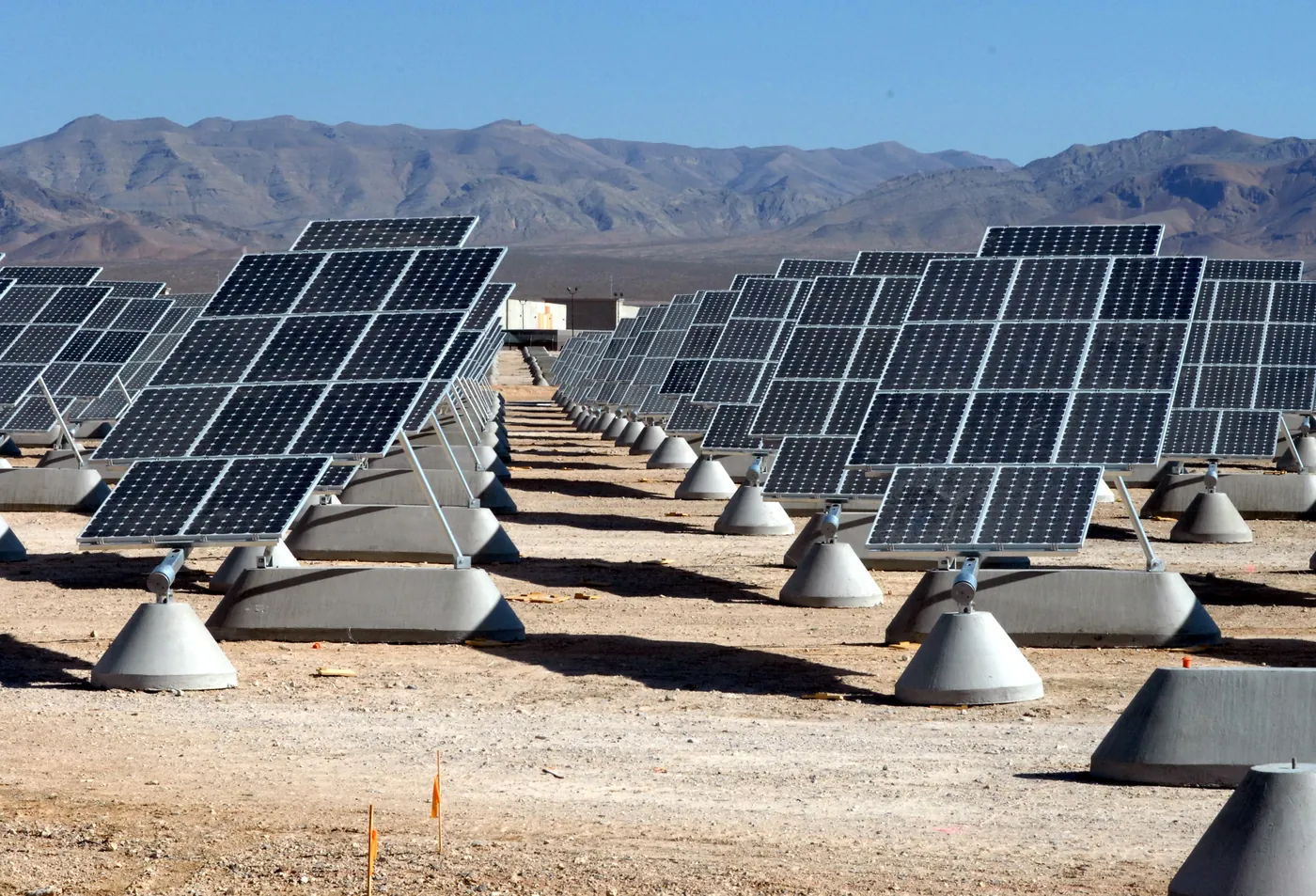
Photovoltaic modules convert sunlight into direct-current electricity. Inverters convert that output into alternating current for equipment or the electricity network. Production changes with sunlight, weather, shading and the characteristics of the installation. A battery adds another route for the electricity: energy can be stored and released later instead of being used or exported immediately. The battery does not create additional solar energy. Charging, storage and conversion introduce losses, so an assessment needs to compare useful electricity delivered at the meter rather than simply adding equipment nameplate ratings.
The important distinction is between power and energy. Power describes how much the battery can deliver at an instant; energy describes how much it can store. The required duration follows from the intended service, whether that is smoothing short changes in output, shifting production into evening demand or supporting selected loads during an outage. Backup operation also needs suitable controls, protection and an intentional islanding design. A grid-connected solar-and-battery installation should never be assumed to power a building automatically when the grid fails.
Where it creates a useful connection.
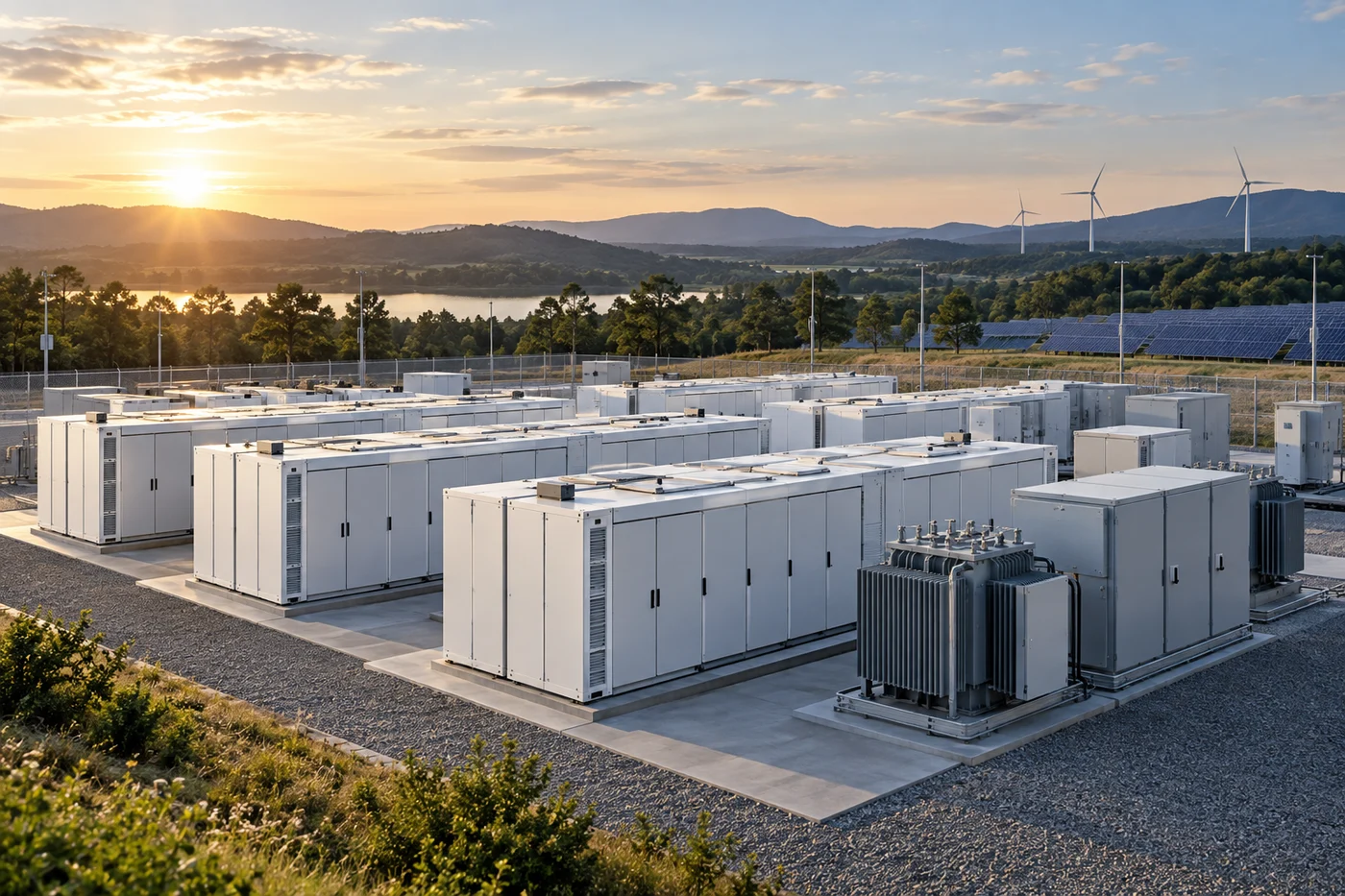
A commercial brief should start with the user's electricity profile and the delivery point. Behind-the-meter installations are assessed against site consumption and the applicable tariff. Grid-connected projects need a route to sell electricity and any other services their equipment is permitted to provide. An industrial buyer seeking dependable supply needs to understand which hours the combined system can cover, the circumstances in which it cannot, and who supplies the remainder. Annual solar generation and annual consumption can look similar while their hourly profiles remain materially different.
The battery's proposed jobs should be translated into an operating plan before selecting a product. Reserving charge for resilience can limit the energy available for other uses. A useful commercial comparison therefore includes dispatch priorities, site conditions, maintenance, expected changes in capacity, replacement responsibilities and the treatment of charging electricity. Equipment supply, construction, grid approval and offtake are separate workstreams with different owners. A well-qualified introduction makes those dependencies visible and identifies the next evidence needed, such as interval load data, an interconnection study or a site-specific performance model.

Begin with the service and delivery conditions. Solar capacity and battery capacity are useful only when the combined system can meet that defined job.