How it works.
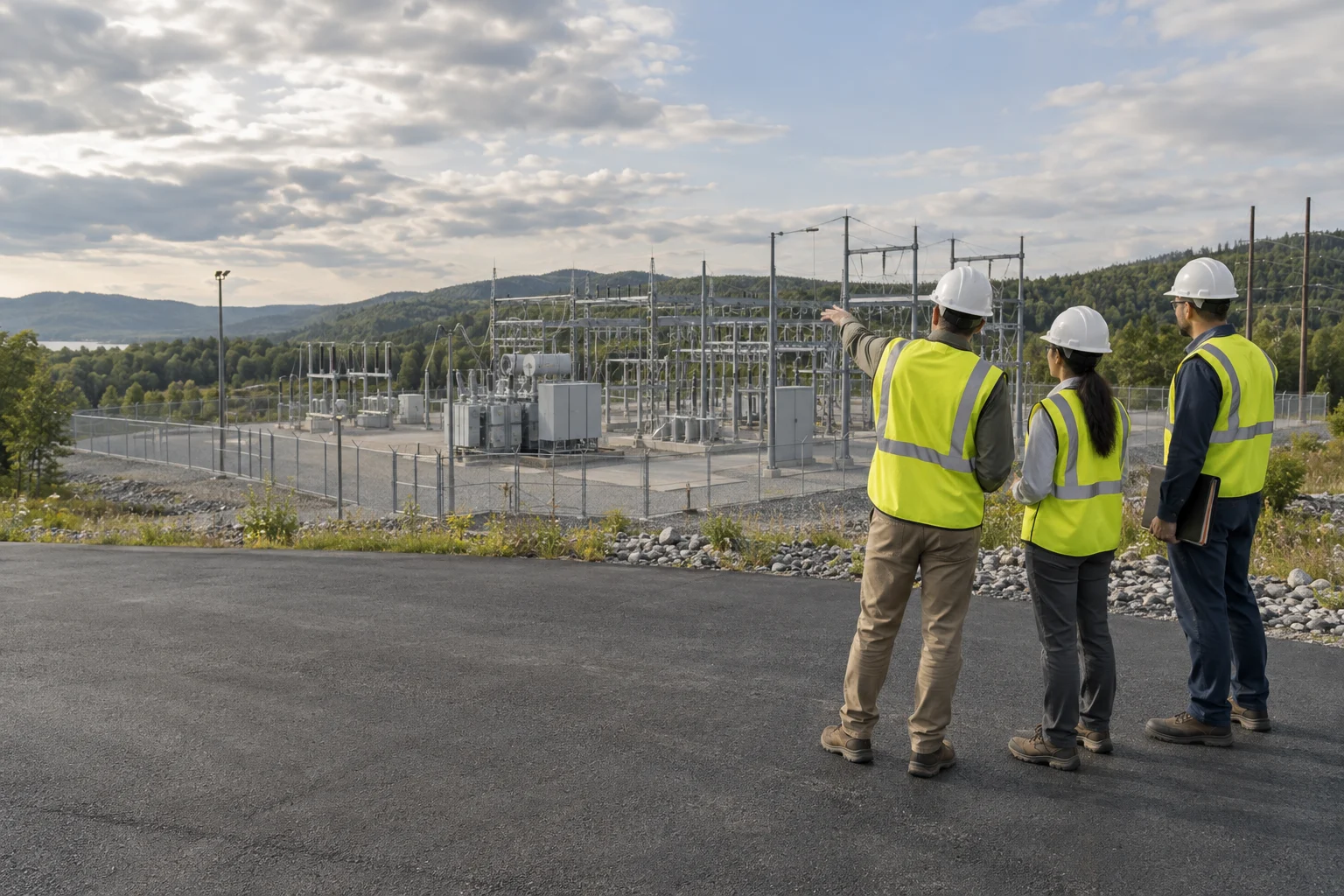
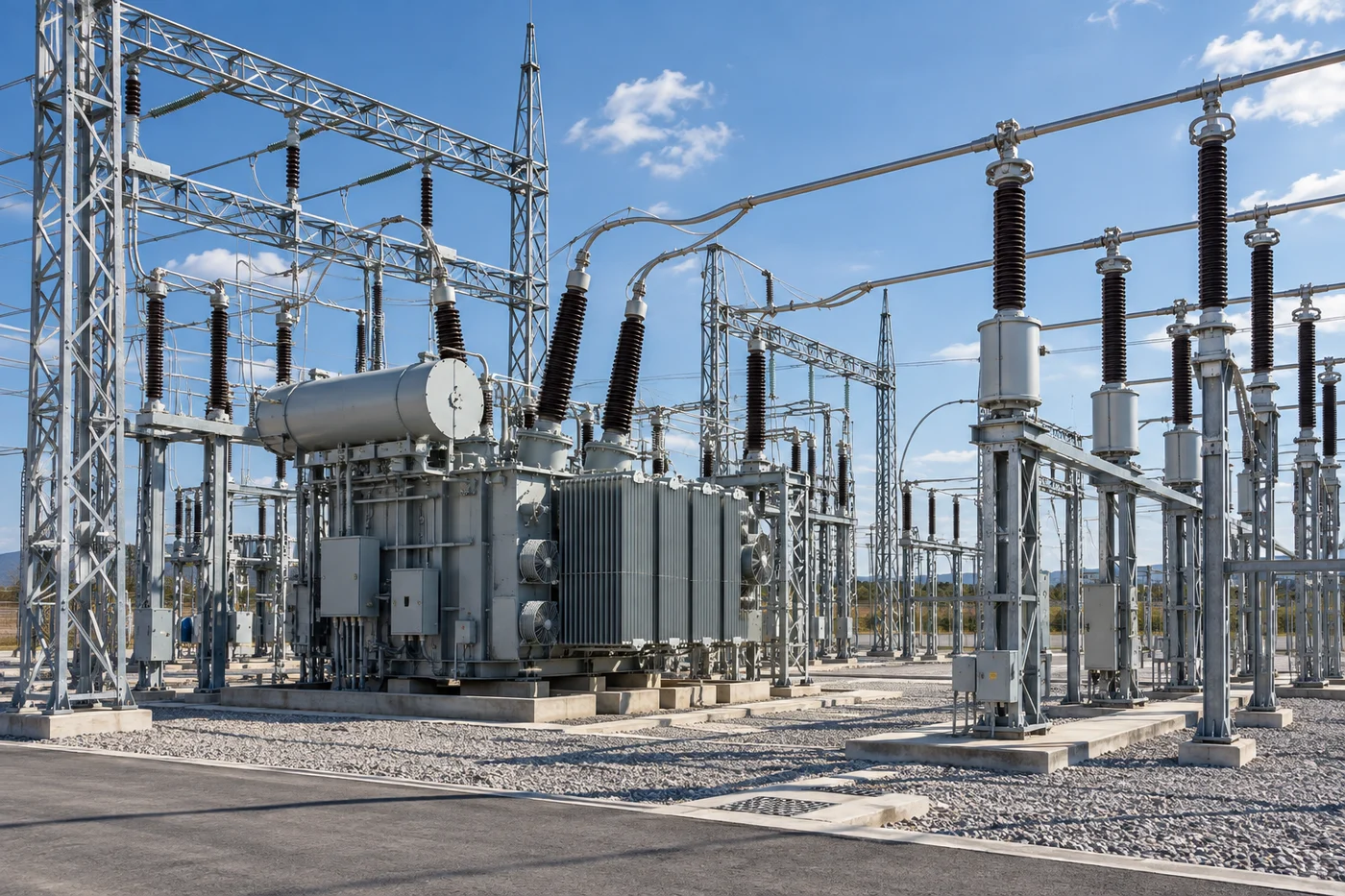
Grid interconnection is the process of assessing and establishing how a generator, storage facility or new electricity load can connect to the network. Network studies examine how the proposed facility affects the system and what equipment, controls, operating limits or upgrades may be needed. The project may require substations, transformers, protection, communications and metering as well as a physical line. The connection point matters: the ability to use one part of the network does not establish equivalent capacity at another site, or at a different time.
The process is jurisdiction-specific. In Alberta, AESO publishes connection pathways and supporting requirements for different project circumstances. ERCOT maintains separate resources for generation integration and large-load integration in Texas. FERC publishes interconnection rules relevant to its U.S. jurisdiction, but these should not be presented as a universal process. A queue entry or application records a step in development. It does not by itself confirm final cost, unrestricted deliverability, completion of network works or permission to energize the facility.
Where it creates a useful connection.
For commercial teams, connection status should be expressed as a set of dated, verifiable milestones. Useful evidence may include the accepted application, completed studies, agreements, assigned responsibilities for upgrades, equipment procurement and the conditions for energization. Ask which document supports each statement and whether material design changes could reopen the analysis. A proposed increase in load, different generator configuration or revised operating mode can change the project being assessed. The most useful schedule is therefore a dependency-based plan that identifies the party responsible for every unresolved step.
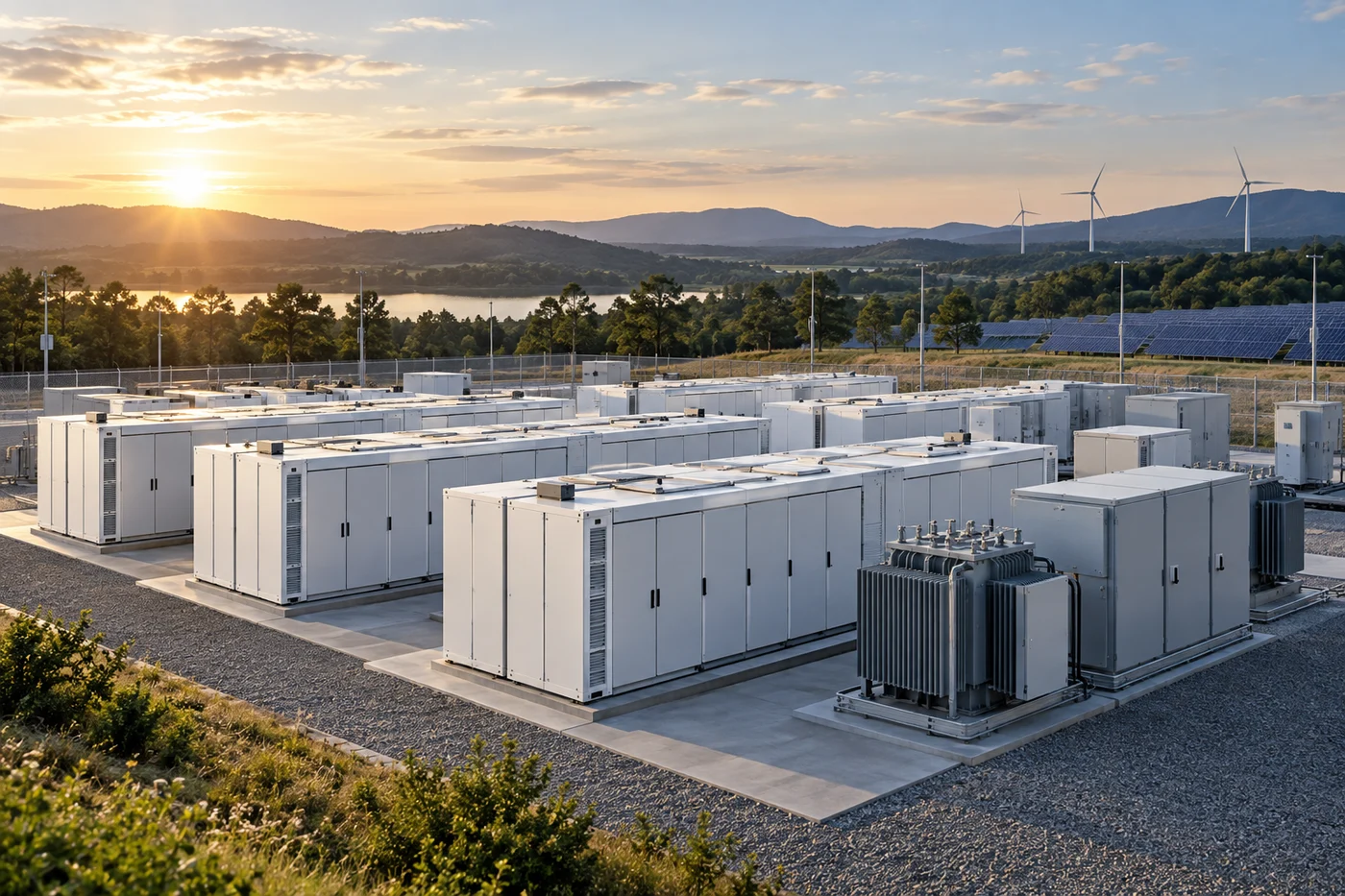
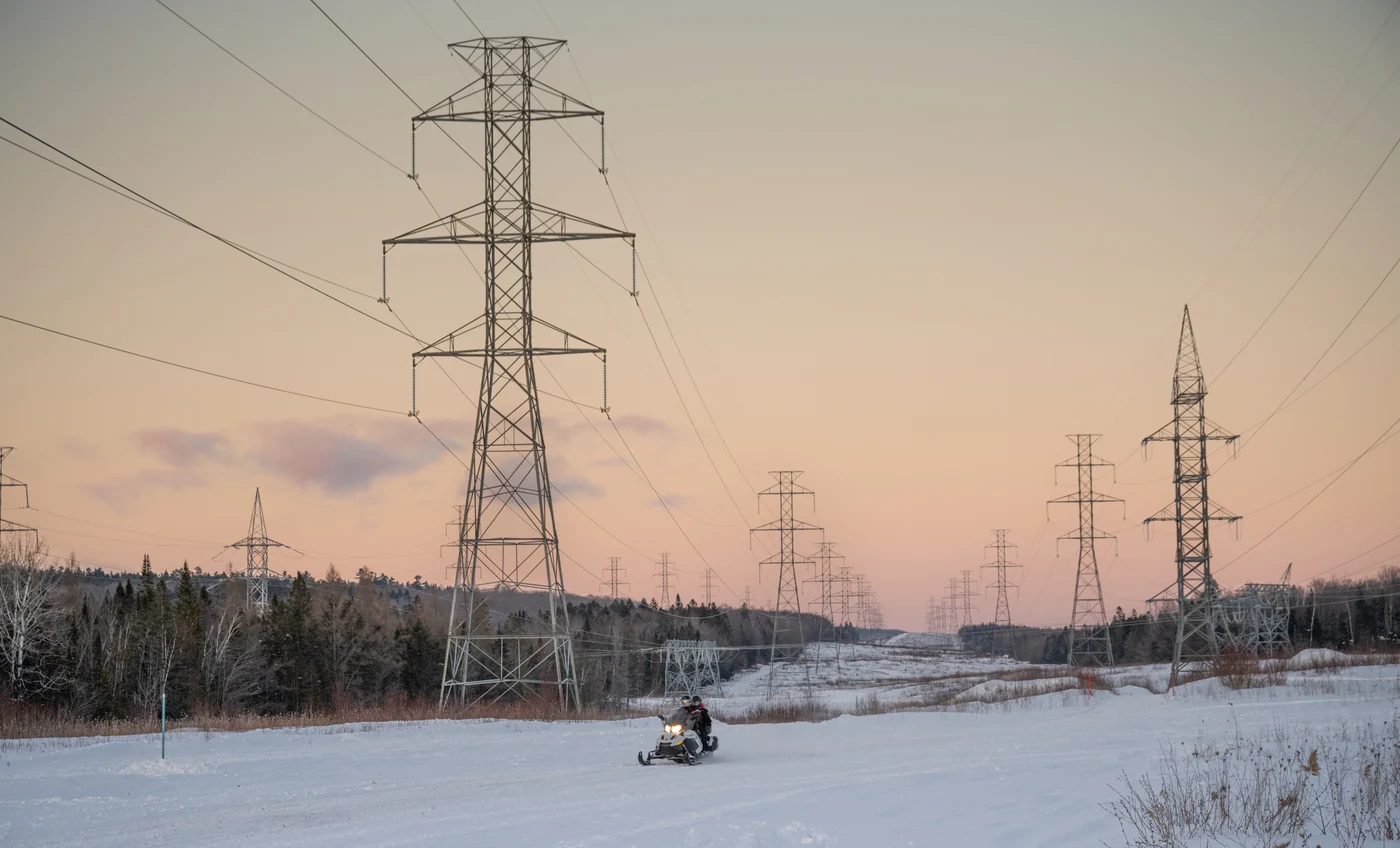
Co-location creates additional questions rather than removing the need for review. A power user and a generator on the same site may still require network services, operational coordination and approved import or export arrangements. Behind-the-meter and behind-the-fence descriptions are useful starting points, but their implications depend on the actual design and local rules. Commercial discussions should connect the desired operating model with the permitted one: available power, backup imports, surplus exports, staged energization and any restrictions during network events. The objective is a credible route to service with clearly owned obligations, rather than a connection claim based on proximity to infrastructure.
Treat connection readiness as evidence, not a label. A credible power opportunity shows the completed milestones, remaining obligations and permitted operating conditions.