

How it works.
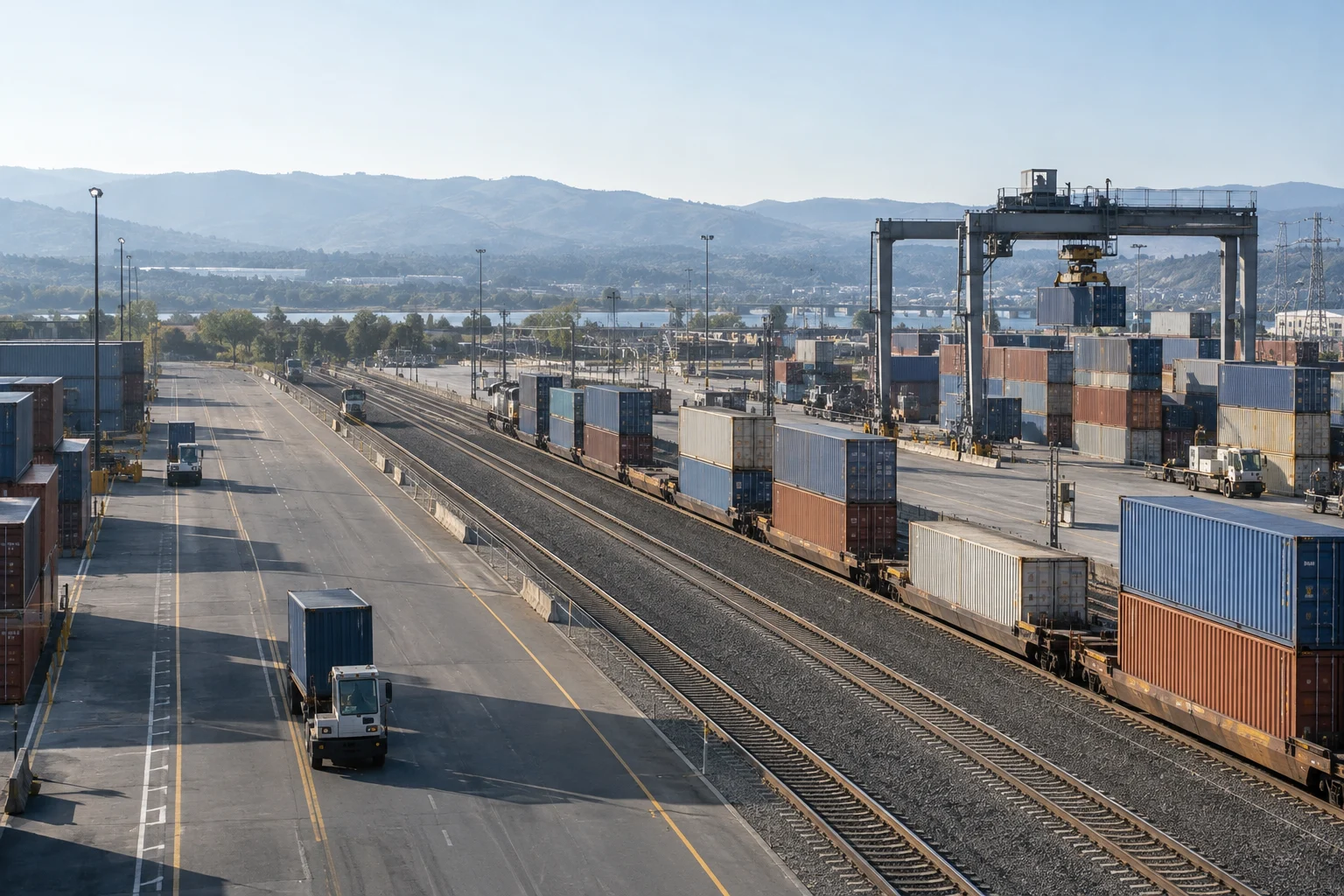
Industrial logistics connects the location of a product with the location where it can be used. The chain may include loading, inland haulage, warehousing, terminals, ocean transport, border formalities and final delivery. Each handoff needs an agreed description of the material, quantity, condition, timing and responsible party. Bulk cargo and packaged cargo create different operating requirements, and a route that works for one material may be unsuitable for another. The physical plan and the document plan should therefore be developed together rather than treating paperwork as a final administrative step.
Transport classification is based on the actual substance or product and the applicable mode. In Canada, Transport Canada identifies the consignor's responsibility for dangerous-goods classification and shipment preparation. For international sea carriage, the IMO maintains distinct frameworks for solid bulk cargoes and dangerous goods in packaged form. These distinctions matter when selecting carriers and terminals. Safety documentation, product analysis, commercial invoices and shipping documents perform different functions. A complete commercial brief identifies which records are required, who supplies them and when the receiving party must accept them.
Where it creates a useful connection.
The first useful output is a shipment pathway with named decision owners. It should state the origin and destination, material form, delivery window, transport mode, loading and discharge capabilities, inspection plan and exception process. Before treating a shipment as executable, confirm that the proposed carrier and receiving facility accept the material under the relevant conditions. Particular attention belongs at transfer points: a terminal can be geographically convenient while lacking the right equipment, storage arrangement or acceptance procedure. A delivered offer should reflect those actual operating conditions rather than an assumed generic freight movement.
Commercial delivery terms also need precision. ICC's Incoterms rules help allocate specified delivery obligations, costs and risks between buyers and sellers, but the selected rule must be read with the named place and the rest of the transaction documents. Teams should make responsibilities for booking, loading, inspection, insurance, customs work and delay management explicit. The useful comparison is the complete delivered proposition, including predictable handling and documentation requirements. A logistics plan is strongest when it also identifies what happens if a vessel is late, a test result is disputed or the receiving site cannot unload within the expected window.

Commercial supply depends on an executable route. Verify the physical handoffs, documentation and responsibility for exceptions as carefully as the material itself.