
How it works.
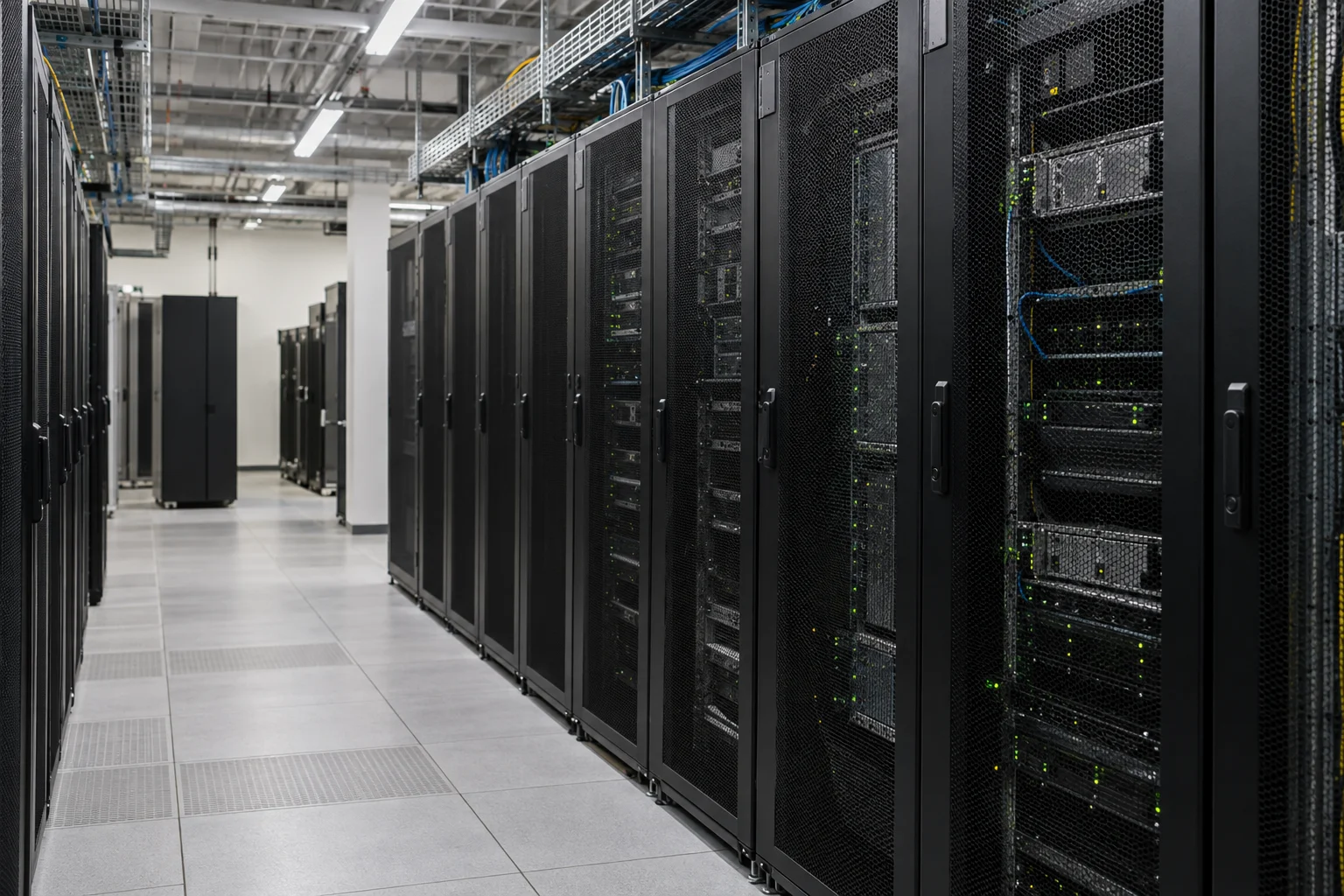
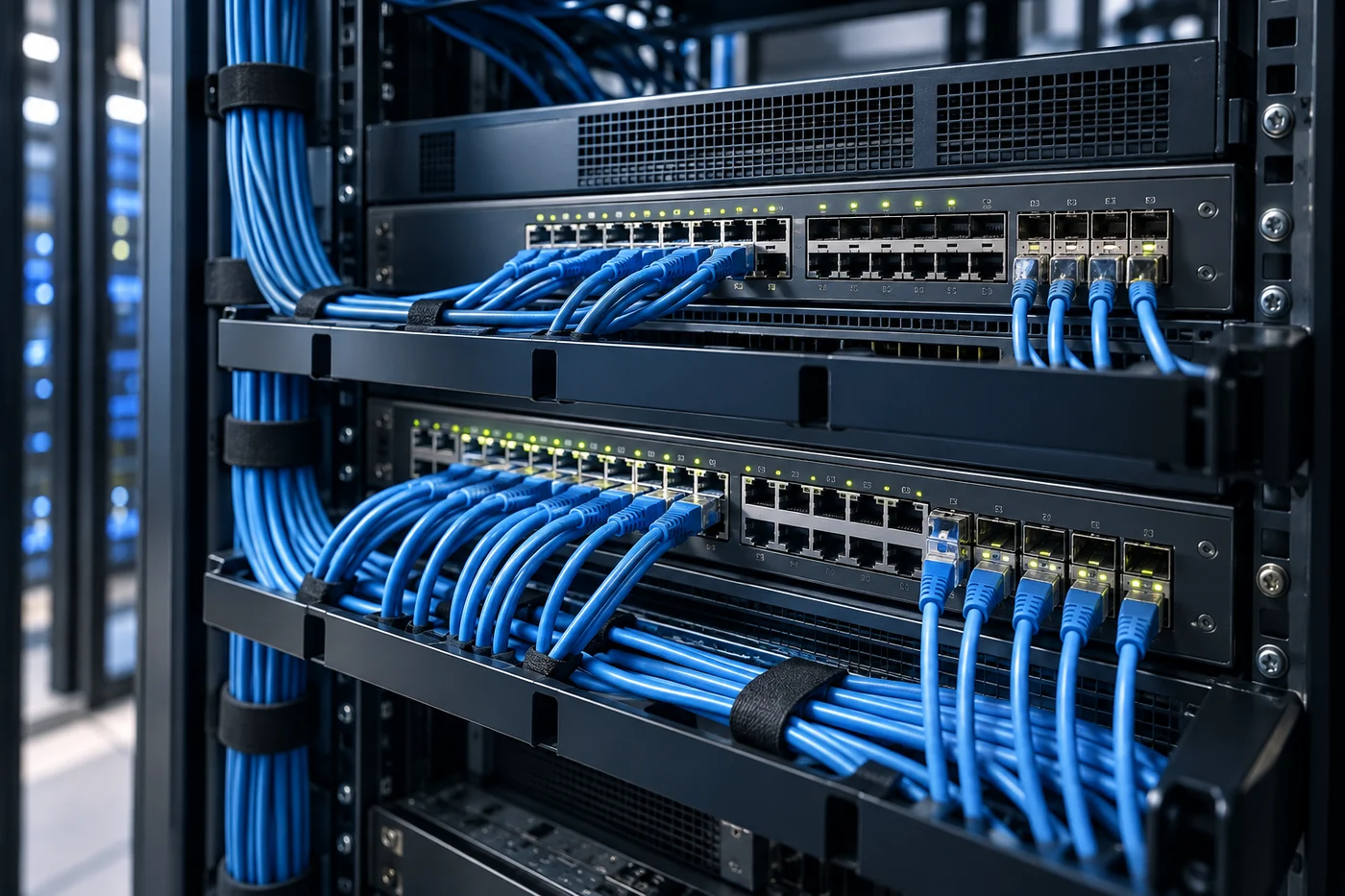
Training changes a model using examples; inference uses a trained model to produce an output. These activities put different pressures on infrastructure. A training job may require processors to exchange information repeatedly, while an inference service must manage incoming requests and deliver acceptable responses. Accelerators perform selected calculations, memory holds the working data, storage supplies datasets and model files, and networks connect the components. NVIDIA's reference architecture guidance describes this as a balanced system: additional processors cannot resolve every storage, network or memory constraint.
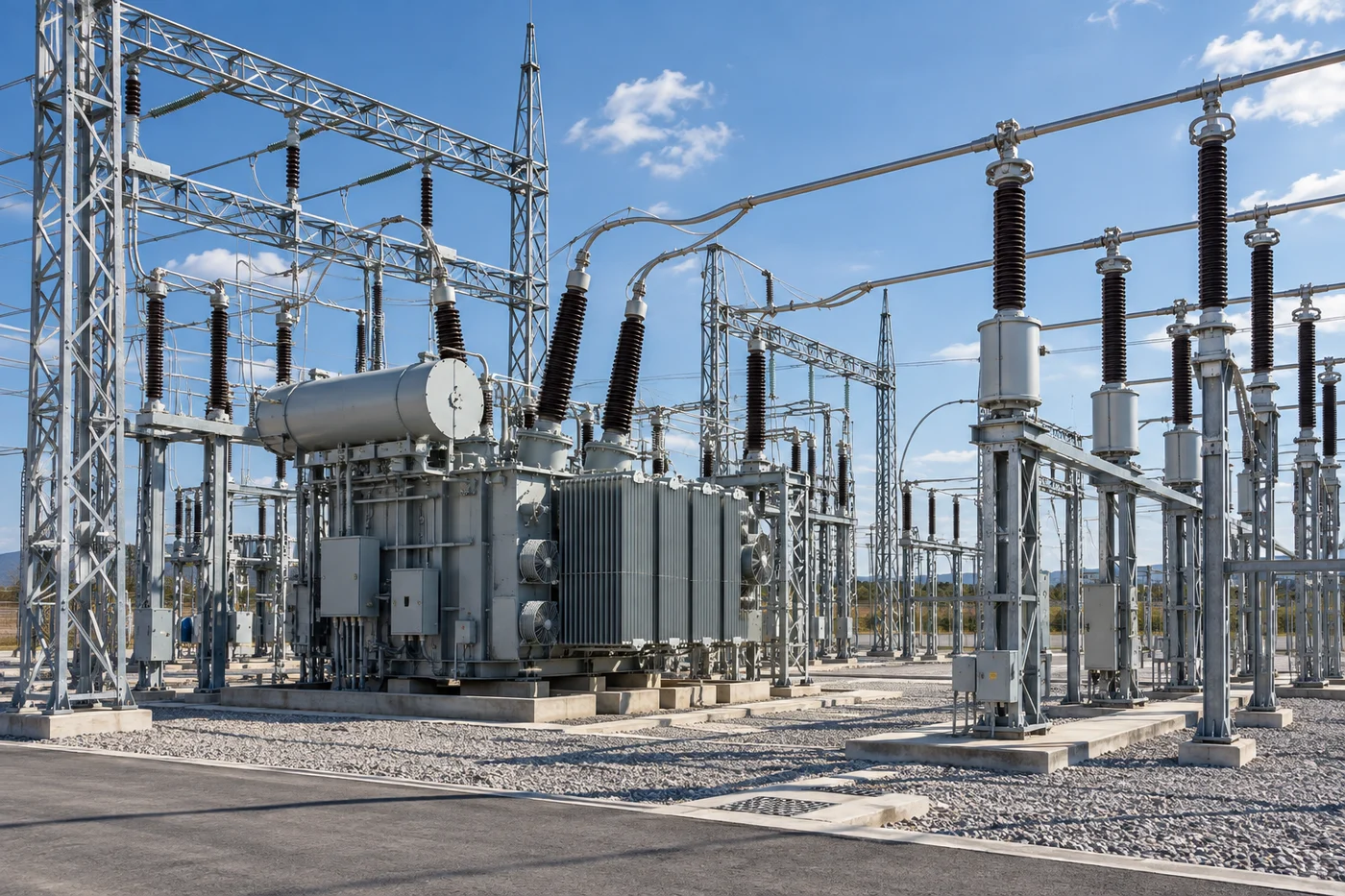
An operating platform schedules jobs, controls access, distributes model files and observes how the service behaves. The physical facility must supply suitable power and remove the heat the equipment produces. Workload placement therefore crosses organisational boundaries between application teams, infrastructure operators and facility engineers. A useful system description follows a request from its data source to its result, identifying each dependency and the responsible party. It also distinguishes laboratory performance from sustained performance under realistic demand, maintenance and failure conditions.
Where it creates a useful connection.
The purchasing unit deserves careful definition. A buyer may be acquiring equipment, reserved infrastructure, a managed platform or a model service. These offer different degrees of control and different operating obligations. Comparisons are more useful when they follow a representative workload rather than a processor label. The scope should describe model behaviour, data preparation, access requirements, expected demand patterns and acceptable response quality. A technically impressive installation can still be poorly matched to the customer's everyday operating need.
Commercial review should also connect demand with the ability to deliver it. Capacity that is ordered, installed, commissioned and usable represents different stages of readiness. Contracts, facility readiness, software compatibility and operational staffing should tell a consistent story. NIST's AI Risk Management Framework adds an important application-level perspective: trustworthy use needs evaluation and oversight throughout the system's lifecycle. Infrastructure availability does not establish whether an AI output is appropriate for a particular decision. The commercial case should identify who validates the service and who remains accountable for its use.
Evaluate AI compute as an operating service with a defined workload and accountable delivery chain. Equipment specifications are an input to that assessment, rather than its conclusion.